Get clear answers, a personal treatment plan and caring support
through every stage of IVF. Dr. Manjunath C Swamy, an IVF and laparoscopic fertility
specialist with more than 15 years of experience, treats couples from JP Nagar and from
across Bangalore. From your first consultation to your pregnancy test, you meet the same
doctor every time.
- 15+Years of Experience
- IVF and Fertility Specialist
- Fertility-Preserving Surgery
- Personalised Treatment Plans
Everything You Need to Know About IVF Treatment in
JP Nagar, Bangalore
Deciding to try IVF raises many questions. How does the IVF process work? Is IVF
painful? What does IVF treatment cost in Bangalore? Which IVF doctor should you
trust? This page gives you complete IVF information in plain language, so that
you can decide with confidence.
It is written for couples in JP Nagar and across Bangalore, and it reflects the
way Dr. Manjunath C Swamy explains IVF to his patients: honestly, step by step
and without pressure.
IVF at a glance
| IVF long form |
In Vitro Fertilization |
| Typical cycle length |
About two to three weeks from the first injection to embryo transfer
|
| Pregnancy test |
About 9 to 14 days after embryo transfer |
| Anaesthesia |
Used only for egg retrieval |
| Where |
JP Nagar and Koramangala, Bangalore |
| Led by |
Dr. Manjunath C Swamy, IVF and laparoscopic fertility specialist
|
What Is IVF Treatment?
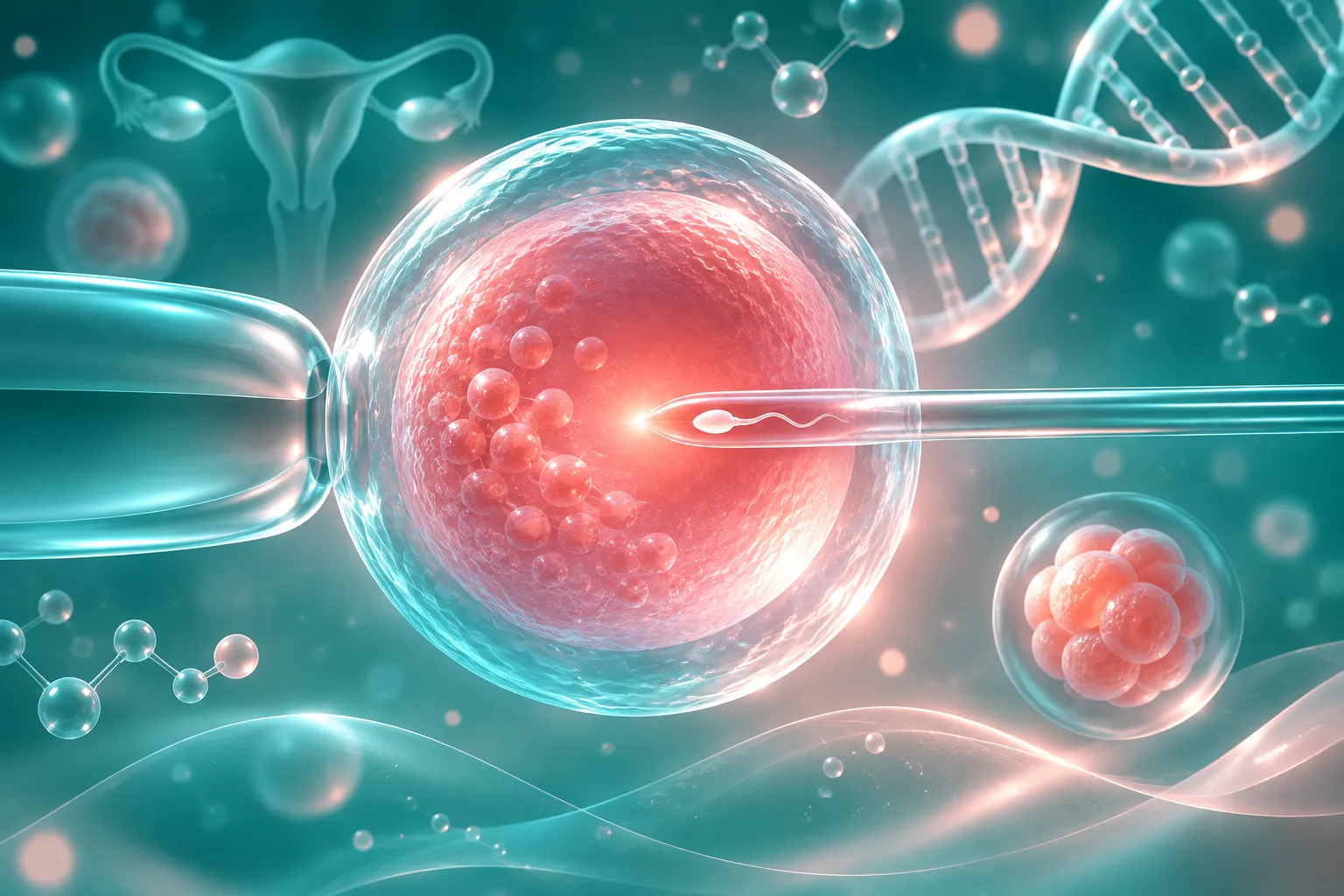
IVF stands for In Vitro Fertilization. This is the IVF long form. In vitro means
outside the body, so IVF is a fertility treatment in which an egg and a sperm are
joined in a laboratory instead of inside the body. The resulting embryo is then
placed in the uterus, where it can implant and grow into a pregnancy. Babies born
this way are often called test tube babies, and IVF has helped millions of families
around the world since the first IVF birth in 1978.
In simple words, IVF fertility treatment does the job that the body could not do on
its own. It helps when the egg and sperm cannot meet naturally, when the fallopian
tubes are blocked, when sperm quality is low, or when simpler treatments have not
worked. IVF is the most widely used form of assisted reproductive technology.
What is IVF technique? The IVF method in brief
The IVF technique has four main parts: medicines that help several eggs mature, a
short procedure to collect the eggs, fertilization and embryo growth in the
laboratory, and embryo transfer into the uterus. Each part is planned around
your age, hormone levels, scan findings and medical history. This is why general
IVF information online may not match your own plan, and why a personal
consultation matters.
What is IVF procedure?
The IVF procedure is the full sequence of steps from your first scans to your
pregnancy test. It is explained in detail in the IVF treatment process section
below, with a timeline you can follow.
IVF is not always the first step. Dr. Manjunath will
recommend it only when your evaluation shows that it is the right treatment for you.
Who Needs IVF Treatment?
IVF is recommended when a diagnosis shows that simpler treatments are unlikely to
work, or when they have already been tried. Your doctor may suggest IVF
treatment for pregnancy if you have:
- Blocked or damaged fallopian tubes
- Low sperm count, poor motility or abnormal sperm shape, usually treated with
ICSI
- Endometriosis that affects the ovaries, tubes or implantation
- Low ovarian reserve or low AMH, especially after the age of 35
- Age related decline in fertility
- Unexplained infertility that has not responded to IUI
- PCOS when ovulation induction and IUI have not worked
- Repeated miscarriages where embryo testing is advised
- Several failed IUI cycles
- A need to freeze eggs or embryos before medical treatment
Conventional IVF fertilization
Eggs and prepared sperm are placed together in a culture dish, and
IVF fertilization takes place naturally in the laboratory.
Best suited for:
couples with normal sperm quality and blocked tubes, endometriosis
or unexplained infertility.
Learn about IVF
IVF ICSI treatment
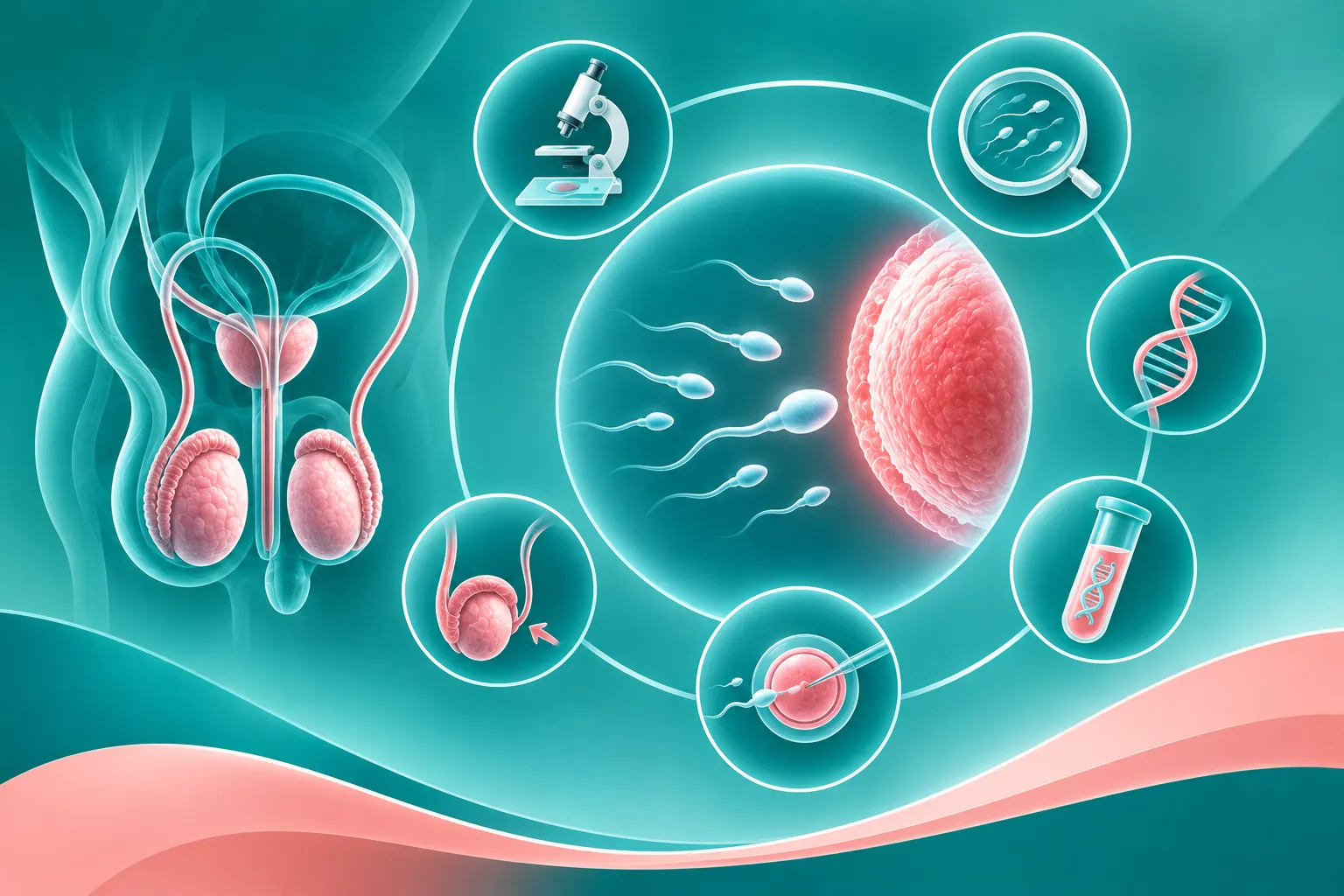
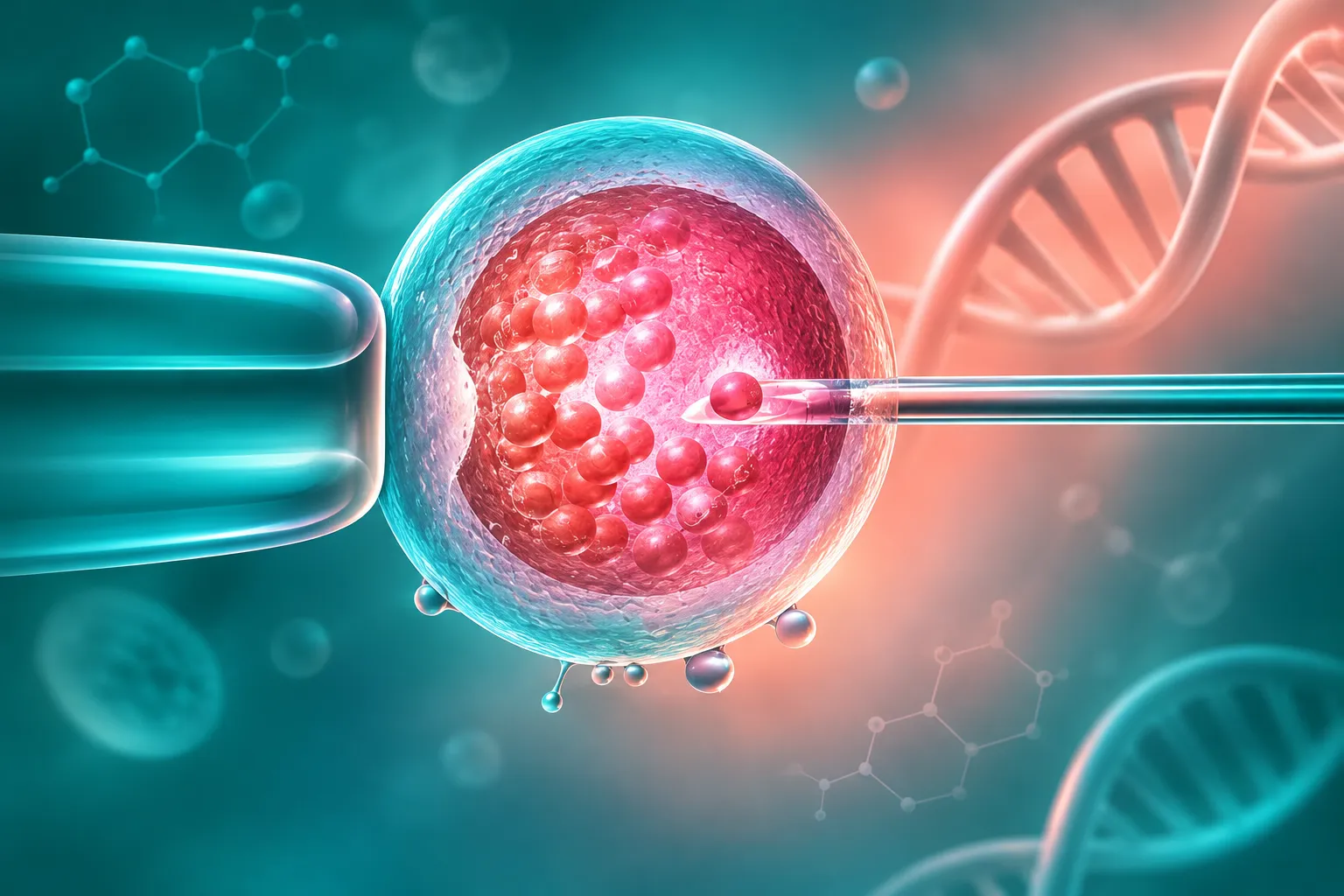
ICSI stands for Intracytoplasmic Sperm Injection. A single selected
sperm is injected directly into each mature egg. IVF ICSI treatment
is used when sperm count, motility or shape is low.
Best suited for:
male factor infertility, previous fertilization failure, or sperm
retrieved surgically.
Learn about ICSI
Blastocyst culture
Embryos are grown in the laboratory until day five or six, which
helps the embryologist choose the embryo with the best development.
Best suited for:
patients who have several good embryos and need careful selection.
Learn about IVF
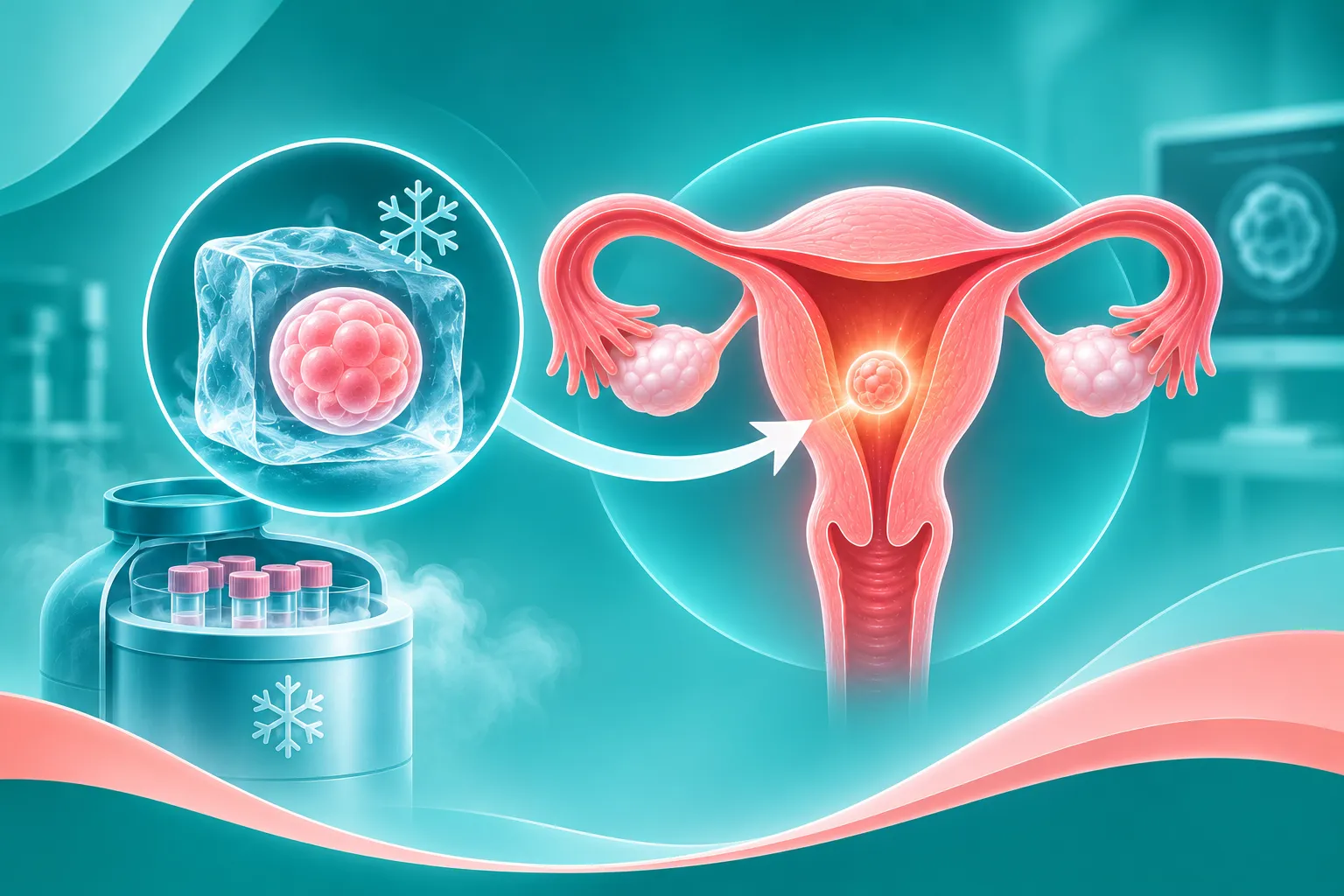
Embryo freezing and frozen embryo transfer
Spare embryos can be frozen using a fast freezing method called
vitrification, and transferred later in a prepared cycle.
Best suited for:
patients with extra embryos, and cycles in which a fresh transfer is
not advisable.
Learn about frozen embryo
transfer
PGT (preimplantation genetic testing)
A few cells from the embryo are tested for genetic or chromosome
problems before transfer, where medically indicated.
Best suited for:
repeated miscarriage, a known genetic condition, or specific medical
advice.
Learn about IVF
Mild stimulation IVF
A lower dose approach that aims for fewer eggs of good quality, with
less medication.
Best suited for:
appropriately selected patients who prefer a gentler protocol.
Learn about mild stimulation
IVF
Donor egg and donor sperm programs
When your own eggs or sperm cannot be used, donor gametes may be an
option where medically indicated and permitted by Indian law, with
counselling and consent at every step.
Best suited for:
couples with a medical indication for donor gametes.
Learn about donor programs
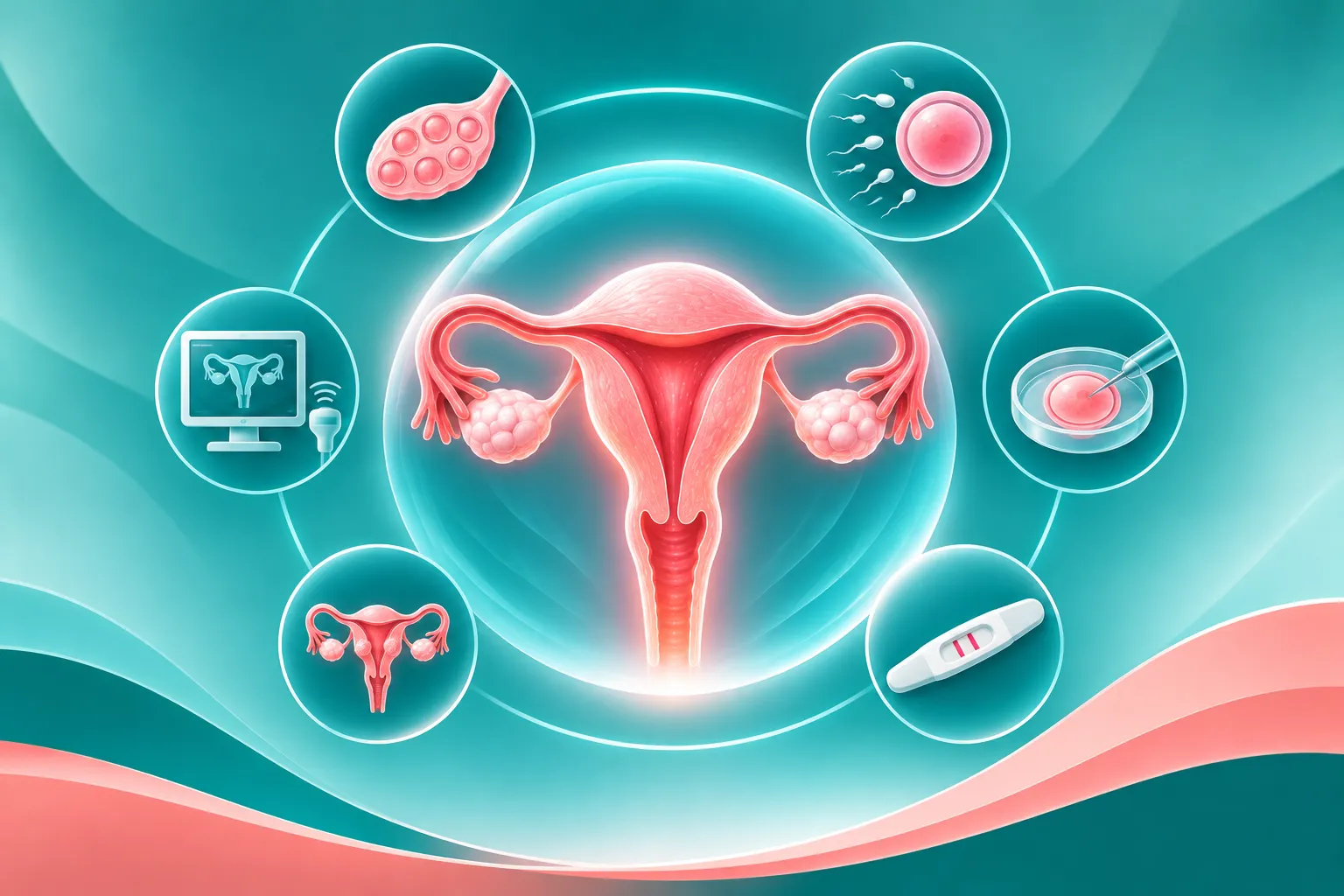
IVF Treatment Process Step by Step
Here is the IVF full process, from your
first visit to your pregnancy test. Use it as a guide to the IVF treatment
procedure. Timings are typical, and your own schedule may differ.
IVF procedure in
detail
Step 1
Consultation and tests
Dr. Manjunath reviews your history and earlier reports, and plans the tests
you need. These usually include AMH and other hormone tests, a pelvic scan,
a semen analysis and screening tests. If a problem such as a polyp, fibroid
or endometriosis could affect IVF, it is discussed before the cycle starts.
Step 2
Ovarian stimulation
Early in your cycle you begin daily injections that help several eggs mature
instead of the single egg a woman usually releases each month. Scans and
blood tests every few days show how your ovaries are responding, and the
dose is adjusted for you.
Step 3
Trigger injection
When the eggs are ready, a timed trigger injection completes their
maturation. Egg retrieval is planned about 34 to 36 hours later, so the
timing of this injection matters.
Step 4
Egg retrieval
Under anaesthesia or sedation, a thin needle guided by ultrasound passes
through the vaginal wall to collect the eggs from the ovaries. There are no
cuts on the abdomen. The procedure takes about 15 to 30 minutes, and most
women go home the same day.
Step 5
Sperm collection
On the day of egg retrieval, your partner gives a semen sample, which the
laboratory prepares. Frozen sperm, or sperm retrieved by a small procedure,
can be used when needed.
Step 6
Fertilization
The embryologist combines eggs and sperm in a dish (conventional IVF), or
injects a single sperm into each mature egg (ICSI). The next morning, the
eggs are checked for signs of fertilization.
Step 7
Embryo culture
Fertilized eggs grow into embryos in a controlled laboratory incubator for
three to six days. The embryologist grades them and chooses the best for
transfer.
Step 8
Embryo transfer
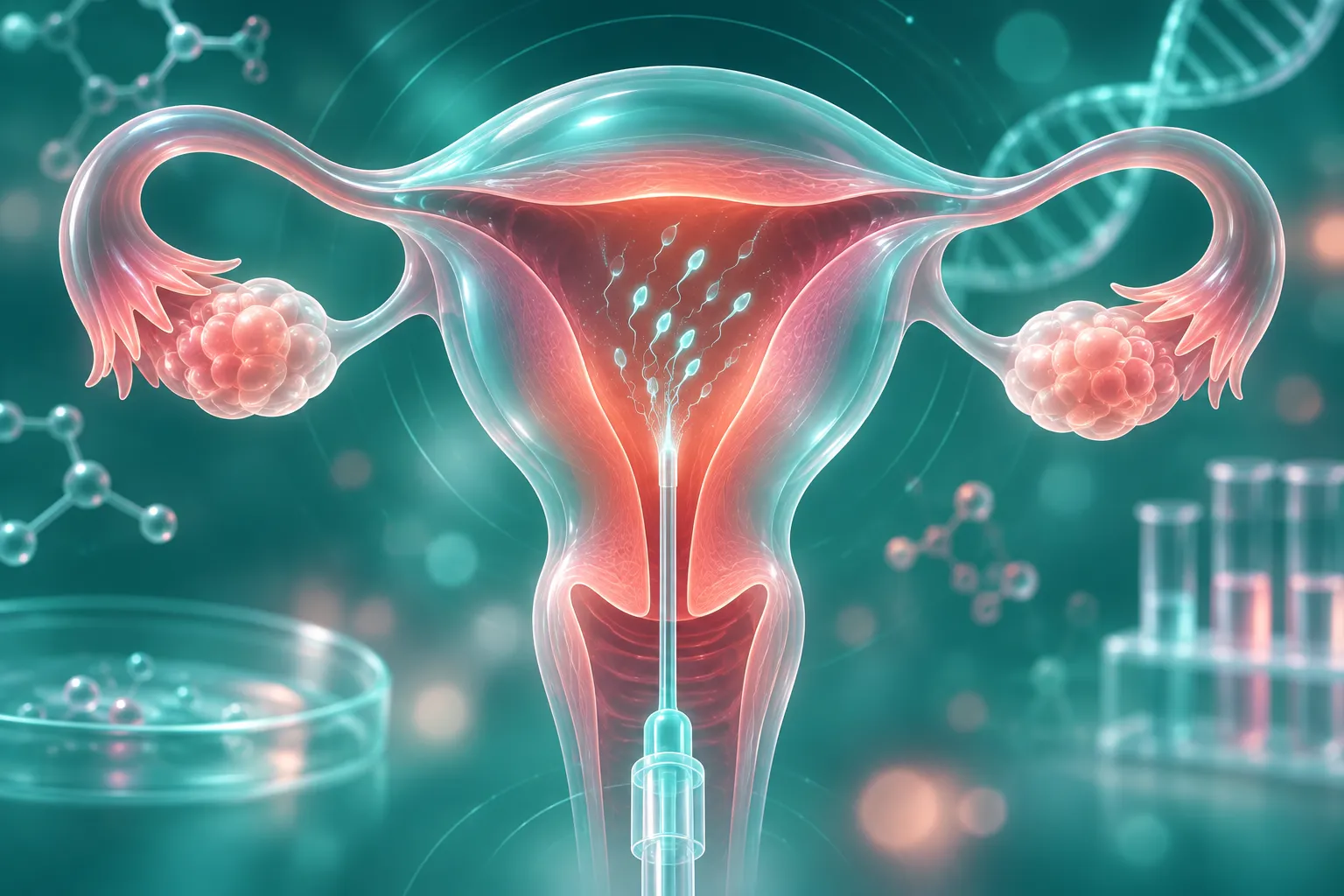
A soft, thin tube is passed through the cervix under ultrasound guidance and
the embryo is placed in the uterus. It takes a few minutes, needs no
anaesthesia in most cases, and feels much like a routine pelvic examination.
Step 9
Freezing spare embryos
Good quality embryos that are not transferred can be frozen with your
consent, and used later in a frozen embryo transfer without repeating the
stimulation.
Step 10
Pregnancy test
About 9 to 14 days after transfer, a blood test confirms whether you are
pregnant. Dr. Manjunath will guide you on the next steps, whatever the
result.
IVF Injections: Types, Procedure and What to Expect
Many women worry most about injections. They are easier than expected, and our
team teaches you how to give them. The IVF injection procedure is a small
injection under the skin of the lower abdomen, using a fine needle.
IVF injections for pregnancy: the main types
- Stimulation injections that help several eggs grow in the
ovaries
- Injections to prevent early ovulation so that the eggs are
not released before retrieval
- Trigger injection to mature the eggs before egg retrieval
- Progesterone support after embryo transfer, given as
injections, gels or tablets, to support the lining of the uterus
How the IVF injection procedure works
- Your nurse or doctor shows you how to prepare and give the injection, and
you practise before you begin.
- Choose a clean area on the lower abdomen and change the spot each day.
- Inject slowly under the skin, then apply gentle pressure.
- Give each injection at the time written on your plan, because timing affects
egg growth.
- Tell the clinic at once if you miss a dose or feel unsure.
Common side effects
Mild bloating, tenderness at the injection site, mood changes, headache and
breast tenderness are common and usually settle on their own. Call the clinic
immediately if you have severe abdominal pain, rapid weight gain, repeated
vomiting, breathlessness or very little urine, because these can be signs of
ovarian hyperstimulation syndrome (OHSS).
Is IVF a Surgery? Egg Retrieval and Embryo Transfer
Explained
IVF is not a major surgery. There is no cut on the abdomen and there are no stitches,
so the term IVF surgery is not accurate. Only two steps involve a procedure: egg
retrieval and embryo transfer.
Egg retrieval
Egg retrieval is a short procedure done under sedation or anaesthesia, so you
do not feel pain during it. A thin needle guided by ultrasound collects the
eggs. Mild cramping, spotting and bloating for a day or two afterwards are
common, and most women go home the same day.
Embryo transfer
Embryo transfer is usually done without anaesthesia. It feels like a routine
pelvic examination and takes only a few minutes. You can usually leave soon
afterwards.
When surgery is needed before IVF
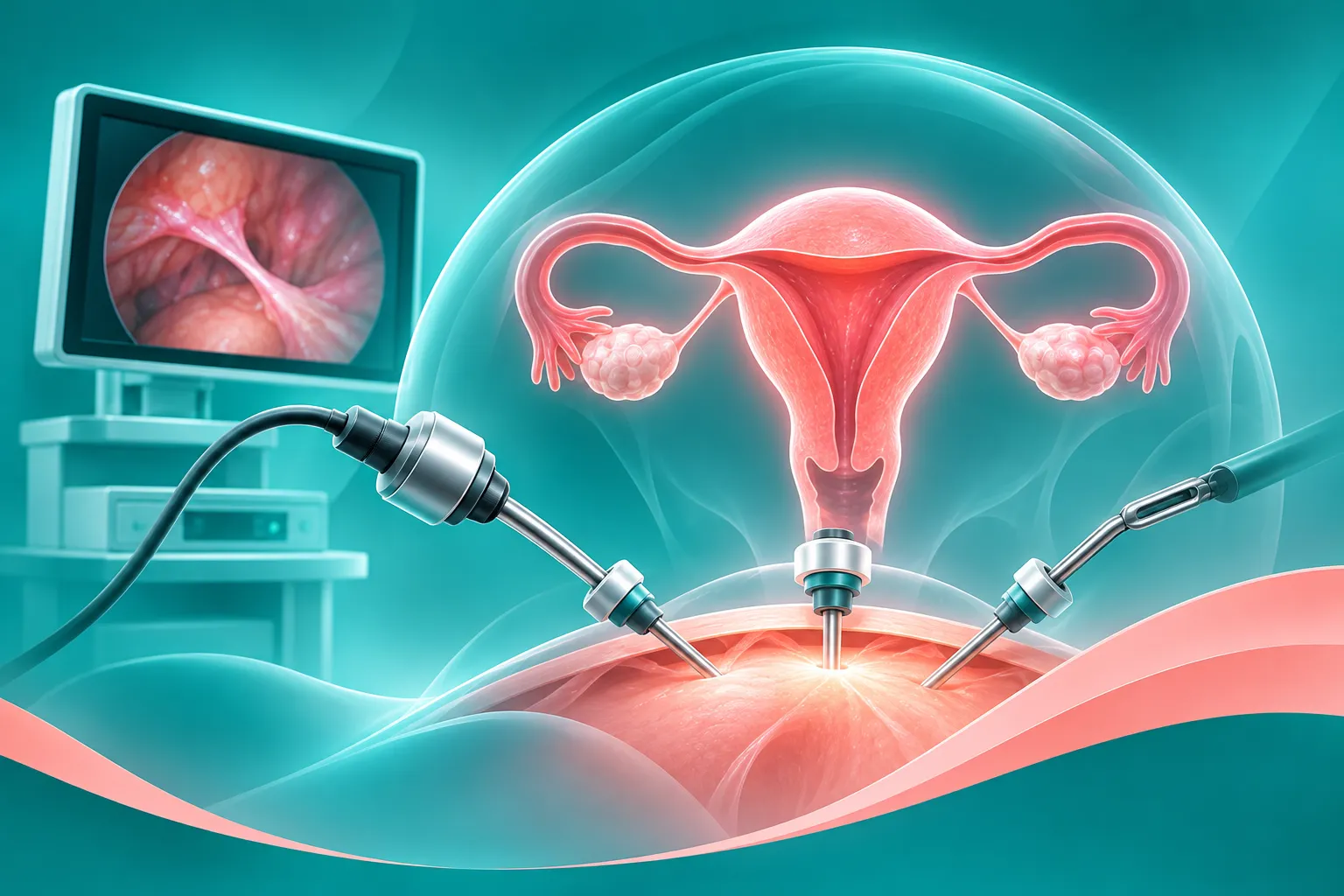
Some women need a procedure before IVF, for example hysteroscopy for polyps or
adhesions, or laparoscopy for endometriosis, cysts or fibroids. Dr. Manjunath
performs these procedures himself, so you do not have to move between doctors
for one plan of care.
Discuss Your Case
IVF Pregnancy: What Happens After Embryo Transfer
The IVF pregnancy procedure after transfer is simple: take your medicines, look after
yourself and wait for the pregnancy test. These two weeks can feel long, so it helps
to know what to expect.
The two week wait
After transfer, the embryo needs time to implant in the uterine lining.
Symptoms in this period are not reliable, because the progesterone
medicines can cause some of the same changes as early pregnancy. Please
do not test at home too early, as it can mislead you. Your blood test is
done about 9 to 14 days after transfer, as the clinic advises.
If the test is positive
You continue progesterone support, and an early scan is usually done
about two to three weeks after the positive test to confirm that the
pregnancy is growing in the uterus and to look for a heartbeat. After
that, an IVF pregnancy develops like any other pregnancy. Your doctor
may advise closer monitoring if you are older, expecting twins or have
other risk factors.
If the test is negative
A negative result is hard, and you will not be left to deal with it
alone. Dr. Manjunath will review the cycle, explain what may have
happened and discuss the next step, which may be a frozen embryo
transfer, a change of plan or further tests.
Care after embryo transfer
- Do: take every medicine on time, eat a balanced
diet, drink enough water, walk gently and sleep well
- Do: keep all your appointments and call the clinic
if anything worries you
- Avoid: heavy exercise, heavy lifting, smoking,
alcohol and medicines that your doctor has not approved
- Bed rest: complete bed rest is not needed
How to Prepare for IVF Treatment
Good preparation can make the cycle smoother. Your doctor will give you advice that
fits you, and these steps apply to most couples.
- Complete the tests your doctor recommends, including hormone tests, scans and a
semen analysis
- Manage conditions such as thyroid disease, diabetes and high blood pressure
- Aim for a healthy weight through balanced food and gentle regular exercise
- Stop smoking and tobacco, and avoid or limit alcohol, for both partners
- Take folic acid and other supplements only as your doctor advises
- Follow the instructions for the semen sample on the day of egg retrieval
- Plan time off around egg retrieval and embryo transfer
- Share your feelings with your partner, and ask for counselling if you need
support
Benefits and Risks of IVF Treatment
Benefits of IVF
- Works around blocked or damaged fallopian tubes
- ICSI can overcome many sperm problems
- Embryos can be frozen for future attempts
- Genetic testing of embryos is possible when it is medically indicated
- Each stage is closely monitored, with clear decision points
- May be an efficient route when time matters, for example in older age
Risks of IVF
- Ovarian hyperstimulation syndrome (OHSS): the ovaries over respond to
the medicines. It is uncommon in its severe form and is watched for
closely
- Multiple pregnancy: transferring more than one embryo can lead to twins
or more, which carry higher risks
- Ectopic pregnancy: a slightly higher chance than in natural conception
- Egg retrieval risks: bleeding or infection, which are rare
- Anaesthesia risks: these are low and are assessed before your procedure
- Emotional and financial strain, and the possibility that a cycle does
not result in pregnancy
Dr. Manjunath will discuss every risk with you before you
begin, and a careful plan reduces many of them.
What Affects IVF Success?
No two couples have the same chances. IVF outcomes depend on several factors, which
is why an honest evaluation matters more than a headline percentage.
- Age of the woman, and to a lesser extent the man
- Ovarian reserve and egg quality
- Sperm quality
- Cause and duration of infertility
- Embryo quality and development
- Health of the uterus
- Lifestyle and general health
- Previous IUI or IVF history
- The protocol and laboratory methods used
During your consultation, Dr. Manjunath will explain what
these factors mean for your own situation and what outcome is realistic.
IVF Treatment Cost in Bangalore and JP Nagar
IVF cost in Bangalore varies from clinic to clinic and from patient to patient. A
fair price is one that is clear from the start. IVF treatment cost in JP Nagar
at our clinic is explained in an itemised estimate after your evaluation, so
that you know exactly what is included and what is not.
What your IVF cost depends on
| Cost component |
What it covers |
Why it varies |
| Consultation and tests |
History, scans, hormone tests, semen analysis |
The number of tests you need |
| Medicines |
Stimulation and support injections and tablets |
Dose and duration depend on your response |
| Monitoring |
Scans and blood tests during stimulation |
The number of visits |
| Egg retrieval |
The procedure, anaesthesia and day care stay |
Anaesthesia and facility needs |
| Laboratory |
Fertilization (IVF or ICSI) and embryo culture |
IVF or ICSI, and blastocyst culture |
| Freezing and storage |
Embryo freezing and storage |
Number of embryos and storage period |
| Embryo transfer |
Fresh or frozen transfer |
Fresh or frozen cycle |
| Add ons |
PGT, donor services, surgery |
Only if medically needed |
What to ask any clinic about IVF cost
- What exactly is included in the package?
- Are medicines included, or paid separately?
- Is ICSI included, and what does it cost if it is needed?
- What happens to the cost if the cycle is cancelled?
- What are the charges for embryo freezing, storage and frozen transfer?
- What payment options are available? [PAYMENT OPTIONS]
IVF cost in Bangalore and insurance
Insurance cover for IVF depends on your insurer, your policy wording and any
employer benefits. Many standard policies exclude or limit infertility
treatment, so check with your insurer before you begin and ask us for an
itemised estimate that you can submit if your plan allows.
Why Choose Dr. Manjunath for IVF Treatment in
JP Nagar?
A named IVF specialist, a plan made for you and a surgical skill set that many
IVF clinics do not offer under one roof.
15+
Years of Clinical Experience
Fertility and IVF care guided by more than a decade and a half of practice.
1
Bangalore Clinics
Consult at JP Nagar or Koramangala, whichever is closer to you.
1
Doctor Throughout
You see the same specialist from your first consultation to your pregnancy
test.
- A named IVF specialist leads every step of your treatment
- More than 15 years of clinical experience in fertility and IVF
- IVF and ICSI planned around your diagnosis, not a fixed package
- Laparoscopic and hysteroscopic surgery available when it improves your chances
- Evaluation of both partners
- Honest advice on whether you need IVF at all
- An itemised IVF cost estimate before you begin
- Careful monitoring with scans and blood tests through each cycle
- Support after failed IUI or IVF cycles, including second opinions
- Convenient clinics at JP Nagar and Koramangala
How to Choose the Best IVF Centre and IVF
Doctor in Bangalore
Search results are full of claims. Whether you are looking for the best IVF
centre in Bangalore, the best IVF clinic in Bangalore, the best IVF doctor in JP
Nagar, the best IVF specialist in Bangalore or a list of the top 5 IVF centres
in Bangalore, the same checks help you compare fairly. Use them on every clinic,
including ours.
There is also no single best IVF treatment in India that suits everyone. The best
IVF treatment for you is the one planned around your own diagnosis, age and
goals. If you live in South Bangalore, visit two or three clinics, and use this
checklist to compare the best IVF fertility clinic in JP Nagar options and the
best IVF centre in JP Nagar for your needs.
-
Doctor experience and who treats you.
Ask whether the doctor you consult is the doctor who will perform your
procedures.
-
Registration.
Confirm that the centre is registered as required under the Assisted
Reproductive Technology (Regulation) Act, 2021.
-
Laboratory quality.
An IVF fertility centre should be able to explain how embryos are cultured,
graded and frozen, and who handles them.
-
Honest success rates.
Ask for live birth rates by age group and treatment type, and be careful with
one big percentage.
-
A plan made for you.
You should be offered options, not a standard IVF package for everyone.
-
Willingness to say no to IVF.
A good doctor suggests simpler treatment when it is enough.
-
Transparent cost.
Ask for an itemised estimate that lists what is and is not included.
-
Surgical ability.
Fibroids, polyps and endometriosis may need treatment before IVF can work.
-
Location and access.
IVF needs several short visits for scans, so a clinic close to home reduces
stress.
-
Communication and support.
IVF is demanding, and you should feel heard at every visit.
Had an IVF Cycle That Did Not Work? Get a Second Opinion
A cycle that has not worked is
disappointing, but it is not the end of the road. Many couples benefit from a fresh
look at their case. Dr. Manjunath will review your earlier reports, scans, medicine
charts and embryo details, and look for factors that may need attention, such as a
uterine problem, endometriosis, fluid in the tubes or a protocol that did not suit
you. He will then explain, in plain language, whether a change of plan, a surgical
correction or a different treatment may help.
What to bring to your second-opinion visit:
Summaries of previous IUI or IVF cycles
Recent scan and hormone reports, including AMH
Semen analysis reports
Medicine charts, and embryo and transfer details
Records of any earlier surgery
Frequently asked questions
IVF is a fertility treatment in which eggs are collected from the ovaries
and fertilized with sperm in a laboratory. The embryo that forms is
placed in the uterus to grow into a pregnancy. It is recommended when
simpler treatments are unlikely to work or have not worked.
The IVF long form is In Vitro Fertilization. In vitro means outside the
body, in a laboratory dish. ICSI, a related technique, stands for
Intracytoplasmic Sperm Injection.
The IVF process begins with consultation and tests, followed by
injections that help several eggs mature, a trigger injection, egg
retrieval, fertilization in the laboratory, embryo growth for several
days, embryo transfer and a pregnancy test. The full IVF treatment
process step by step is explained above.
From the first injection to embryo transfer, a fresh IVF cycle usually
takes about two to three weeks. The pregnancy blood test follows about 9
to 14 days after transfer. Initial tests, any surgery you may need, or a
frozen embryo transfer can add time.
Most steps are well tolerated. Blood tests, scans and injections cause
brief, mild discomfort. Egg retrieval is done under anaesthesia or
sedation, so you do not feel the procedure, and cramping or bloating for
a day or two afterwards is common. Embryo transfer is usually quick and
comfortable. Your doctor will explain what to expect at each stage.
No. IVF is not a major surgery and does not involve cuts or stitches. Egg
retrieval is a short procedure under anaesthesia or sedation, and embryo
transfer is usually done without anaesthesia. If you need surgery before
IVF, for example for fibroids, polyps or endometriosis, it is planned
separately.
IVF injections are medicines given under the skin, usually of the lower
abdomen, using a fine needle. They include stimulation injections that
help several eggs grow, medicines that prevent early ovulation, a
trigger injection that matures the eggs, and progesterone support after
transfer. The clinic teaches you how to give them, and the doses are set
by your doctor for your case.
In conventional IVF, eggs and sperm are placed together in a dish and
fertilization happens naturally. In ICSI, a single selected sperm is
injected directly into each egg. ICSI is used mainly when sperm count,
motility or shape is low, or when earlier fertilization has failed.
The cost depends on the tests you need, the medicines, whether ICSI or
embryo freezing is needed, and any extra procedures such as PGT. We give
an itemised estimate after your evaluation so that you know what is
included. Call us or fill in the form to request one.
It depends on your age, diagnosis and response. Some couples conceive in
the first cycle, and others need more than one. After each cycle, Dr.
Manjunath reviews what happened and explains whether to repeat, change
the plan or consider another option. Frozen embryos from one cycle can
give additional transfer attempts.
IVF success depends mainly on the woman's age, ovarian reserve,
sperm quality, the cause of infertility, embryo quality and the health
of the uterus. This is why one single percentage can mislead. Ask any
clinic for live birth rates by age group and treatment type, and ask Dr.
Manjunath what outcome is realistic for your own situation.
A blood pregnancy test (beta hCG) is usually done about 9 to 14 days
after embryo transfer, as your clinic advises. Home tests done too early
can be misleading.
Complete bed rest is not needed. Most women return to light routine
activity soon after transfer. Avoid heavy exercise and heavy lifting as
advised, take your medicines on time and rest when you feel tired.
Many women continue working. Scans and blood tests during stimulation are
short visits at planned times, and you will usually need a day or two
off around egg retrieval and embryo transfer. Our team gives you the
schedule early so that you can plan.
Fertility declines with age, and medical advice depends on your ovarian
reserve and health. Indian law, the ART (Regulation) Act, 2021, also
sets age limits for ART procedures, currently 21 to 50 years for women
and 21 to 55 years for men. Your doctor will explain what applies to
you.
No honest list can name one doctor as the best for everyone, because the
right doctor depends on your diagnosis and needs. Look for an IVF
specialist with proven experience, a registered centre, a laboratory you
are comfortable with, honest talk about success rates and costs, and
clear communication. Dr. Manjunath C Swamy is an IVF and laparoscopic
fertility specialist with more than 15 years of experience, and you are
welcome to meet him and judge for yourself.
Shortlist two or three centres within easy reach, since IVF needs
frequent visits for scans. Meet the doctor, ask about registration,
laboratory, costs and success rates, and choose the centre where you
feel informed and comfortable. If you live in or near JP Nagar,
Jayanagar, BTM Layout or Banashankari, our JP Nagar clinic is convenient
to reach.
Dr. Manjunath provides IVF treatment at the JP Nagar clinic, located at
[JP NAGAR SHORT ADDRESS], and also consults at the Koramangala clinic,
located at [KORAMANGALA SHORT ADDRESS]. Couples also visit from other
parts of Bangalore. Call [CLINIC PHONE] or use the form to book.
Yes, where it is medically indicated and permitted by law. Donor eggs or
donor sperm are used with counselling, consent and legal compliance at
every step.
Coverage depends on your insurer and policy. Many standard policies
exclude or limit infertility treatment, while some employer plans cover
parts of it. Check your policy wording, and ask us for an itemised
estimate that you can submit if your plan allows.


 JP Nagar,
Bangalore



.webp)