Difficulty conceiving is not only a women’s health concern. Male
fertility factors can affect a couple’s chance of pregnancy and deserve the same careful
evaluation. Dr. Manjunath C Swamy provides male infertility evaluation and treatment
planning in JP Nagar for couples from across Bangalore, with more than 15 years of
fertility experience. Both partners are assessed together, the findings are explained
clearly, and the treatment plan is based on the couple’s complete fertility picture.
15+Years of Experience
Evaluation of Both Partners
IUI, IVF and ICSI Planning
Confidential Consultation
Understanding Male Infertility in JP Nagar, Bangalore
Male infertility is common, but many men delay evaluation
because the subject can feel private or uncomfortable. A semen analysis and a
focused medical history can often provide useful answers. This page explains male
infertility in simple language: possible signs, common causes, recommended tests and
available treatment options for couples in JP Nagar and across Bangalore.
At a glance
What it is
A male reproductive factor that reduces a couple’s chance of
achieving pregnancy
First step
Parallel evaluation of both partners, usually including a medical
history and semen analysis for the male partner
Common findings
Low sperm count, reduced movement, abnormal shape, no sperm in the
sample, ejaculation problems or unexplained male factor
Possible treatments
Lifestyle and medical management, treatment of an identified cause,
IUI, IVF, ICSI and coordinated sperm-retrieval options where
appropriate
Where
JP Nagar and Koramangala, Bangalore
Led by
Dr. Manjunath C Swamy, fertility specialist, with referral to a male
reproductive or urology specialist when clinically required
Male infertility means a factor related to sperm production,
sperm function, sperm delivery or male reproductive health is making pregnancy more
difficult. It does not mean a man is less masculine, and it is not a reason for
blame. Fertility is a couple’s health concern, so both partners should be evaluated
at the same time.
A semen result alone does not always provide the complete
diagnosis. The doctor considers the semen analysis together with medical history,
sexual and reproductive history, examination and additional tests when indicated.
Some causes are treatable, while others may be managed with assisted reproductive
treatments such as IUI, IVF or ICSI.
Common male infertility terms
Oligozoospermia: a sperm concentration below the laboratory reference range
Asthenozoospermia: reduced sperm movement or motility
Teratozoospermia: a lower proportion of sperm with typical shape or morphology
Azoospermia: no sperm seen in the ejaculate
Oligoasthenoteratozoospermia: more than one semen parameter is affected
Unexplained or idiopathic male infertility: fertility difficulty without a
clearly identified cause after evaluation
These terms describe test findings; they do not by themselves
determine whether pregnancy is possible. Results must be interpreted in the context
of both partners.
Male infertility often has no obvious symptoms. For many
couples, the first sign is that pregnancy has not occurred after regular
unprotected intercourse. Some men may have other symptoms or a medical history
that makes earlier evaluation sensible.
Signs and situations worth discussing with a doctor
Difficulty achieving pregnancy after 12 months of regular unprotected
intercourse
Earlier evaluation when the female partner is 35 or older, or when either
partner has a known fertility concern
Problems with erection, ejaculation or sexual function
Pain, swelling or a lump in the testicular area
A history of undescended testes, testicular injury, torsion or surgery
Previous chemotherapy, radiotherapy or cancer treatment
Past genital infection or sexually transmitted infection
Reduced facial or body hair, breast enlargement or other possible hormonal signs
Previous abnormal semen analysis or very low sperm count
Recurrent pregnancy loss or repeated assisted-reproduction failure where male
evaluation has not been completed
The absence of symptoms does not rule out a male fertility
factor. If you are concerned, an evaluation is more useful than guessing or starting
supplements without medical advice.
Can a man with male infertility still father a child?
Many men with an abnormal semen result can still father a child,
naturally or with treatment. The chance depends on the underlying cause, the
severity of the sperm problem, the female partner’s fertility and the treatment
selected for the couple.
Causes of Male Infertility
Male infertility can result from problems with sperm
production, blockage of sperm delivery, sexual or ejaculation difficulties,
hormones, genetics, illness, medicines or environmental exposure. In some men,
no single cause is found even after evaluation.
Common causes and contributing factors
Sperm-production problems: the testes produce too few sperm or sperm
with reduced movement or function
Varicocele: enlarged veins around the testicle that may affect sperm
production in some men
Blockage or obstruction: sperm may be produced but unable to enter the
ejaculate because of a congenital condition, infection, injury, surgery
or vasectomy
Hormonal disorders: problems involving the testes, pituitary gland or
hypothalamus may affect sperm production
Genetic conditions: certain chromosome or gene changes can reduce sperm
production or cause azoospermia
Testicular conditions: undescended testes, torsion, trauma, infection or
previous surgery may affect fertility
Ejaculation or sexual difficulties: erectile dysfunction, retrograde
ejaculation or other ejaculation problems may prevent sperm delivery
Cancer treatment: some chemotherapy, radiotherapy and surgery can affect
sperm production or delivery
Medicines and anabolic steroids: some prescribed medicines, testosterone
therapy and anabolic steroid use can suppress sperm production
Lifestyle and health factors: smoking, obesity, heavy alcohol use,
recreational drugs, poorly controlled medical conditions and exposure to
excessive heat or toxins may contribute
Unexplained male infertility: test results are abnormal but no specific
cause is identified
A note about testosterone and fertility
Testosterone prescribed from outside the body can suppress
the hormones needed for sperm production. A man who is trying to conceive should
not start, stop or change testosterone, anabolic steroids or any regular
medicine without speaking to the prescribing doctor and a fertility specialist.
Male Infertility Tests and Diagnosis
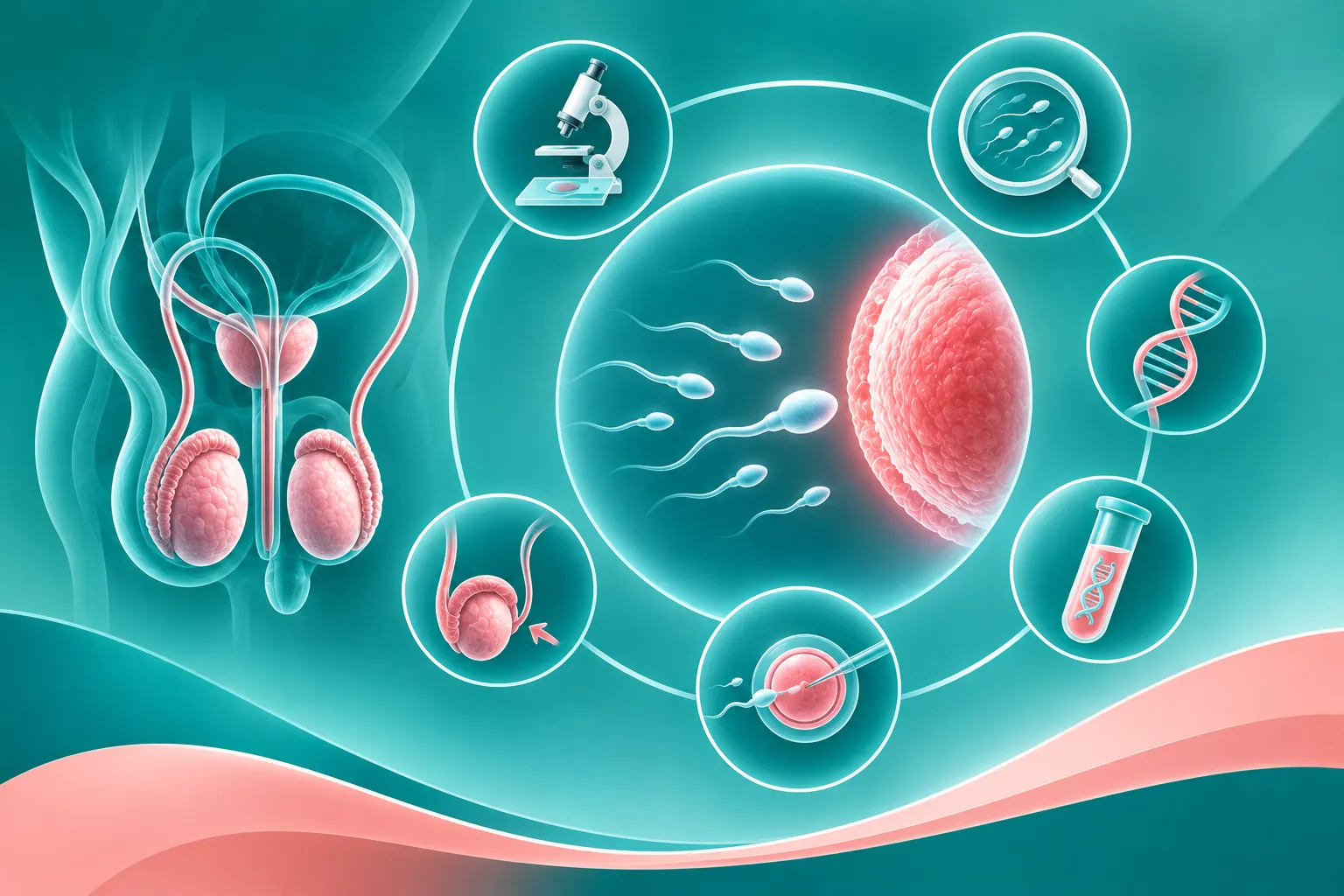
Male infertility diagnosis begins with a confidential
medical and reproductive history. The first laboratory test is usually semen
analysis. If the result is abnormal, the doctor may advise a repeat sample and
further evaluation based on the pattern and severity of the findings.
Common investigations
Test
What it helps assess
Medical and reproductive history
Duration of infertility, previous pregnancies, sexual function,
illness, surgery, medicines, lifestyle and exposures
Semen analysis
Semen volume, sperm concentration, total number, movement, vitality
and morphology
Repeat semen analysis
Confirms an abnormal finding because semen parameters can vary
between samples
Physical examination
Testicular size and development, possible varicocele, reproductive
anatomy and other clinical signs
Hormone tests
May include testosterone, FSH and other hormones when low sperm
count, azoospermia or hormonal symptoms are present
Genetic tests
May be recommended in severe oligozoospermia, azoospermia or when
history suggests a genetic cause
Ultrasound or other imaging
Used selectively when examination or history suggests a testicular,
scrotal or obstructive problem
Sperm DNA fragmentation or specialised tests
Not routine for every patient; may be considered in selected
situations such as repeated treatment failure or recurrent pregnancy
loss after specialist review
Understanding semen-analysis results
A semen report should not be judged by one number in
isolation. The laboratory method, abstinence period, sample collection, recent
fever and natural biological variation can affect results. One abnormal report
does not always confirm infertility, and a report within reference ranges does
not guarantee fertility. The result should be interpreted for the couple as a
whole.
Male infertility treatment depends on the cause, semen
findings, the female partner’s age and fertility, the time available and the
couple’s preferences. The aim is to treat a correctable factor where
possible and select the least invasive option that offers a reasonable
chance.
Lifestyle and general-health support
Improving smoking, alcohol, weight, sleep, heat exposure and
control of medical conditions may support reproductive health.
Lifestyle changes are not a substitute for investigating a
significant abnormality.
Hormonal or other medical treatment may help selected men
when a specific diagnosis is present. Treatment should be prescribed
only after appropriate evaluation; routine hormone or supplement use
is not suitable for everyone.
Treatment of infection or sexual dysfunction
When infection, erection or ejaculation problems are
contributing, targeted care or referral may improve the couple’s
chance of conception.
Selected patients may benefit from assessment by a
reproductive urologist or andrologist for varicocele repair or
reconstruction of an obstruction. Referral depends on examination,
semen findings and the couple’s overall fertility plan.
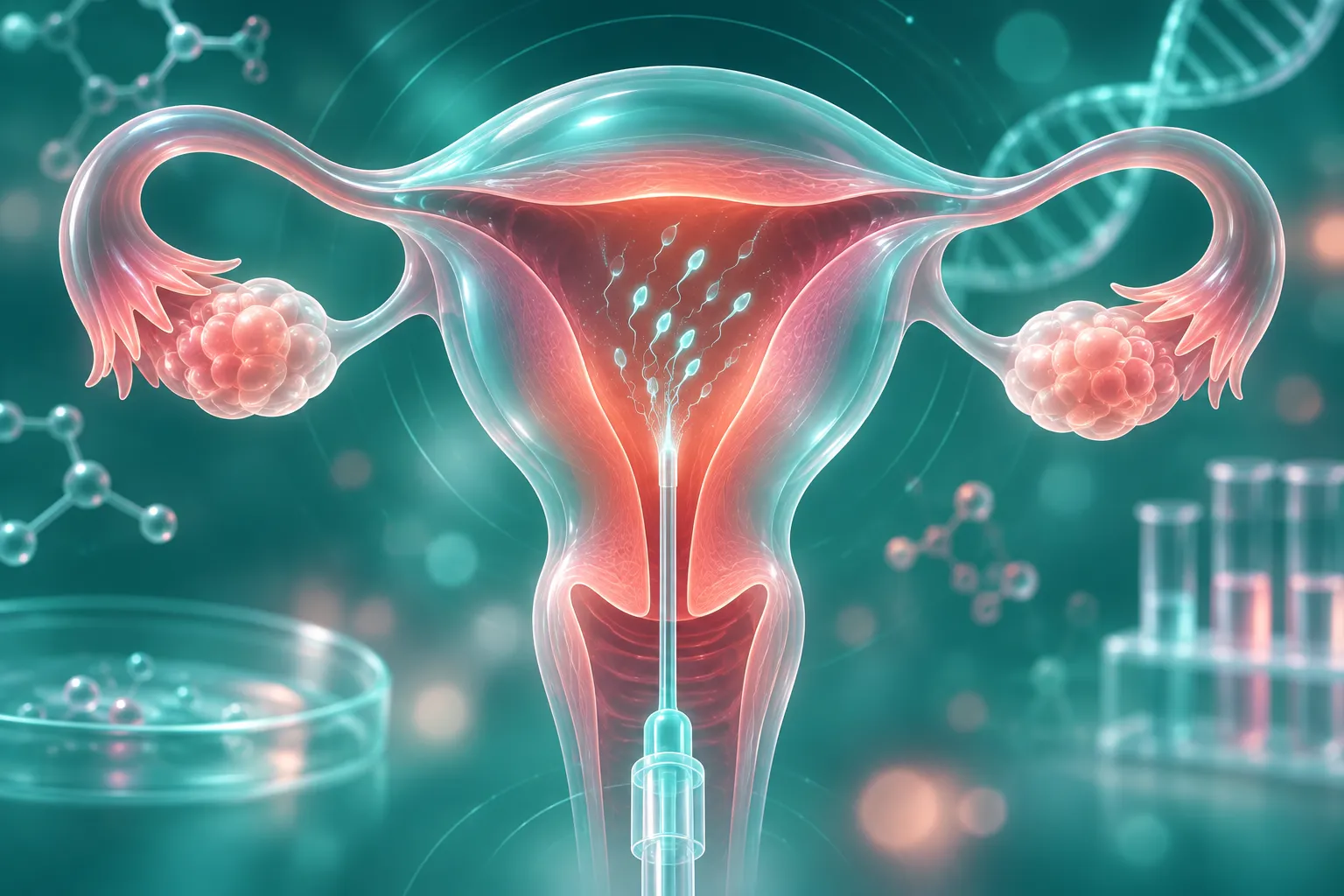
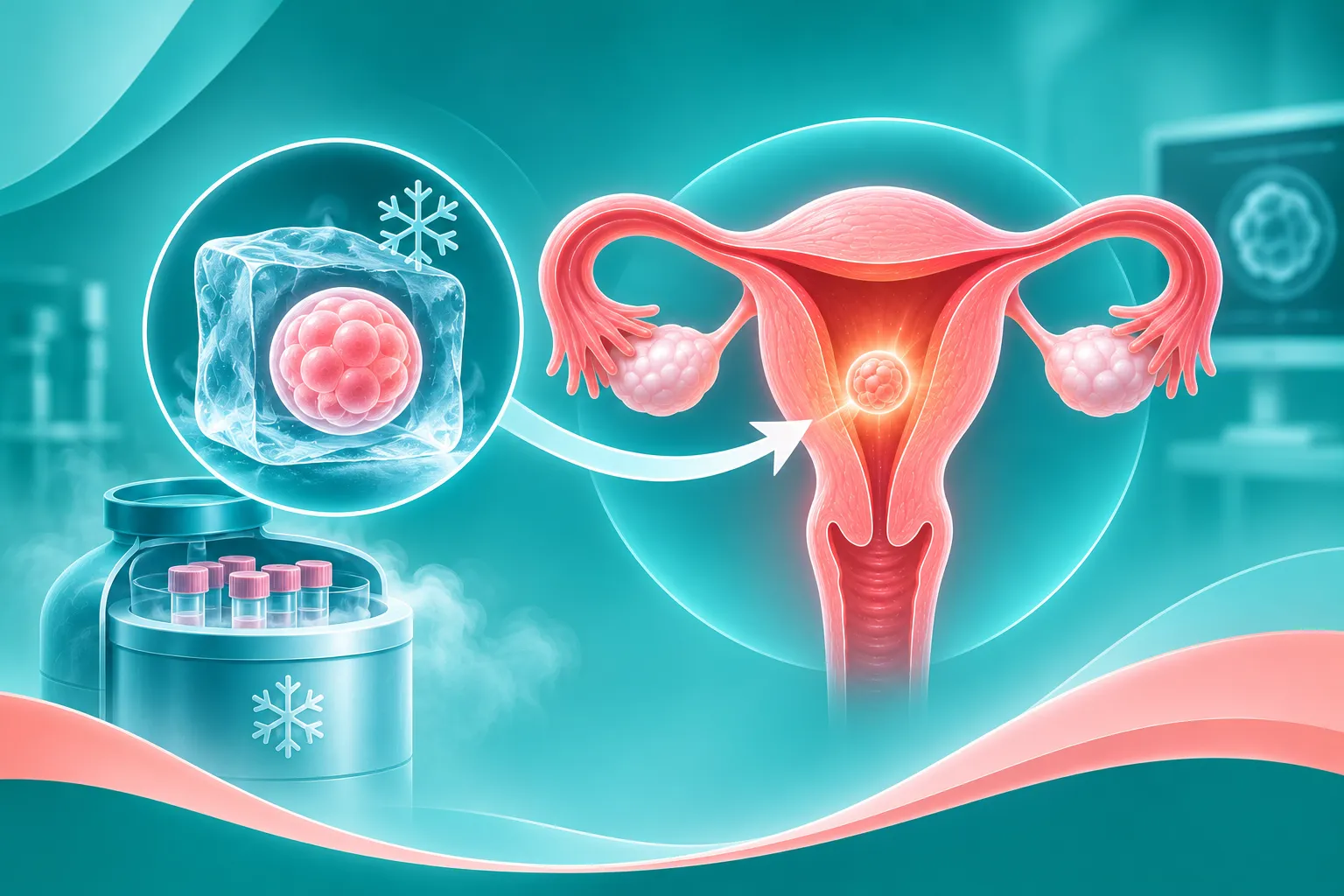
Prepared sperm is placed inside the uterus around ovulation.
IUI may be considered when enough motile sperm are available and the
female partner’s evaluation is suitable.
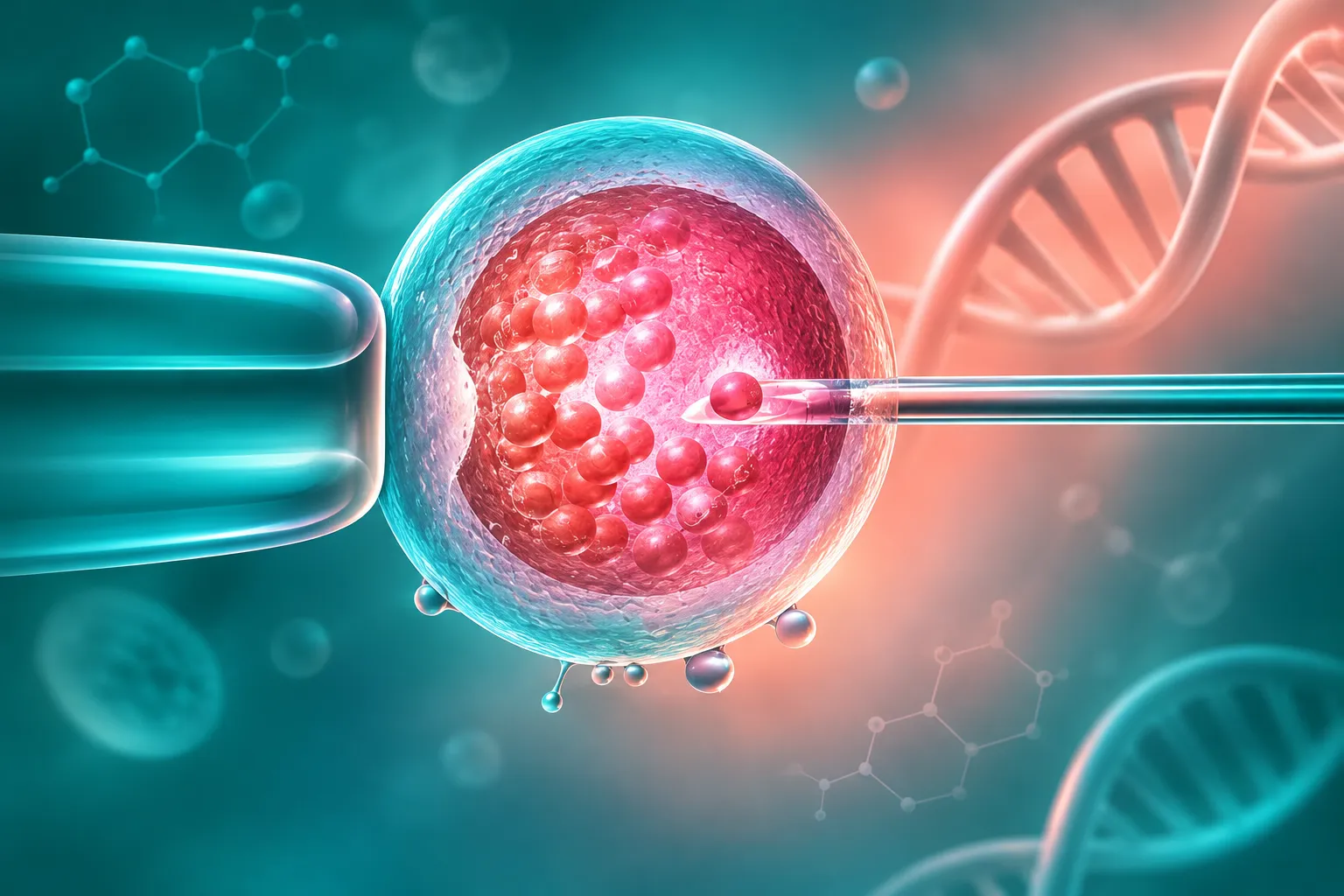
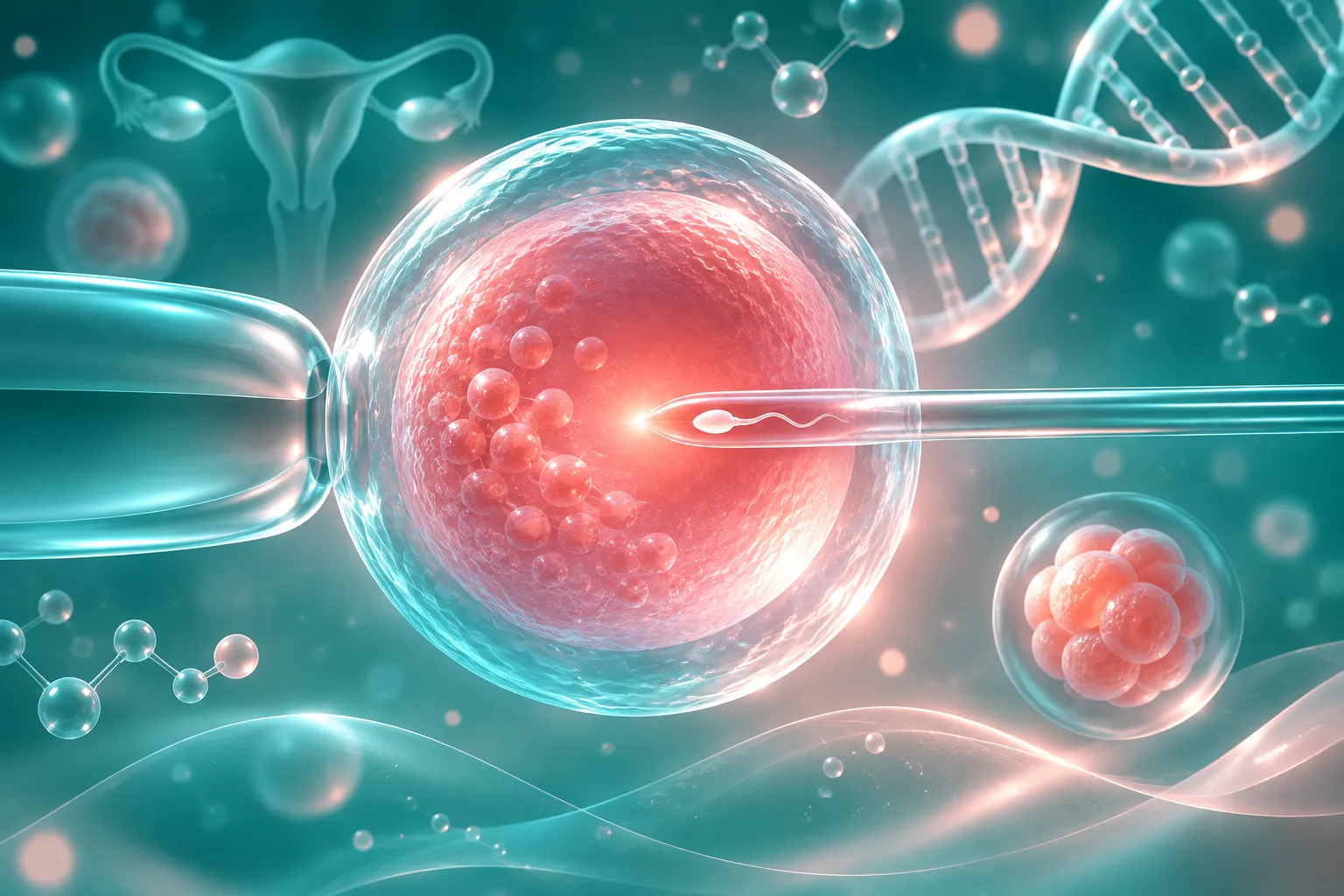
In IVF, eggs are fertilised in the laboratory. In ICSI, an
embryologist injects one selected sperm into an egg. ICSI is
commonly considered for significant male factor infertility,
surgically retrieved sperm or previous fertilisation problems.
PESA, TESA, TESE or micro-TESE may be considered for
selected men with no sperm in the ejaculate. The appropriate
technique and specialist team depend on whether the cause is
obstructive or related to sperm production.
Choosing a Male Infertility Clinic or Specialist in
Bangalore
Search results often use terms such as “best male
infertility doctor,” “male infertility clinic in Bangalore” or “male fertility
hospital.” Instead of relying on promotional claims, compare every
clinic—including ours—using the same practical checks.
Couple-based evaluation
Both partners should be assessed in parallel before a treatment plan
is finalised.
Appropriate expertise
Ask who interprets the semen results and whether reproductive
urology or andrology referral is available when required.
Confirmed diagnosis
Significant abnormal results should be evaluated properly rather
than treated from one number alone.
Clear treatment reasoning
Ask why IUI, IVF, ICSI, surgery or another option is being
recommended.
Laboratory quality
Ask about the andrology and embryology laboratory, sample
identification and quality controls.
Genetic counselling
Severe sperm-production problems may require genetic testing and
counselling before treatment.
Registration and consent
Confirm that the ART centre follows applicable Indian law and
registration requirements.
Transparent cost
Request an itemised estimate covering tests, procedures, medicines,
laboratory services and storage where relevant.
Privacy and respect
Male infertility can be emotionally difficult; choose a team that
communicates without blame or stigma.
There is no single best clinic for every couple. The right
service is one that identifies the likely cause, evaluates both partners and
explains the benefits, limitations and costs of each option honestly.
Frequently Asked Questions About Male Infertility
Clear answers to common questions from men and couples.
Male infertility means a factor involving sperm production,
sperm function, sperm delivery or male reproductive health is reducing a
couple’s chance of pregnancy. It is assessed as part of the couple’s
fertility evaluation, not in isolation.
Possible causes include low or absent sperm production, reduced
sperm movement, obstruction, varicocele, hormonal or genetic conditions,
testicular injury or infection, ejaculation difficulties, cancer
treatment, some medicines and anabolic steroids. Sometimes no specific
cause is found.
Many men have no obvious symptoms. The first sign may be
difficulty achieving pregnancy. Some men may have sexual or ejaculation
difficulties, testicular pain or swelling, hormonal signs, or a history
of testicular disease, surgery or cancer treatment.
Semen analysis is usually the first laboratory test. It
evaluates semen volume, sperm concentration, total number, movement,
vitality and morphology. An abnormal result may need confirmation and
further assessment based on the history and severity.
Treatment depends on why the sperm count is low and on the
couple’s complete fertility evaluation. Some causes can be treated
medically or surgically, while others may be managed using IUI, IVF or
ICSI. No single medicine or supplement is suitable for every man.
Azoospermia means no sperm are seen in the ejaculate. It may
result from an obstruction or reduced sperm production. Further
evaluation is needed to distinguish the cause and discuss treatment,
sperm retrieval or other family-building options.
ICSI may be considered when sperm numbers or movement are
significantly reduced, when sperm are surgically retrieved, or after
previous fertilisation difficulty. The decision also depends on the
female partner’s fertility and the couple’s treatment plan.
Yes. Male and female factors may occur separately or together,
so both partners should be evaluated in parallel. This avoids delay and
helps the doctor recommend the most appropriate treatment for the
couple.
Testosterone taken from outside the body can suppress sperm
production. Men who are trying to conceive should discuss testosterone,
anabolic steroids and supplements with the prescribing doctor and
fertility specialist rather than starting or stopping them
independently.
Dr. Manjunath provides couple fertility evaluation and male
infertility treatment planning at the JP Nagar clinic at [JP NAGAR SHORT
ADDRESS]. If the Koramangala consultation location is verified, add it
here. Call 7899089215 / 9148019966 or use the form to request an
appointment.
Meet Dr. Manjunath C Swamy, Fertility Specialist in Bangalore
Fertility Specialist, IVF Specialist and Laparoscopic Fertility
Surgeon | JP Nagar and Koramangala, Bangalore
Dr. Manjunath C Swamy evaluates couples experiencing female, male or combined fertility factors and
plans treatment using IUI, IVF, ICSI and fertility surgery where appropriate. His approach is
doctor-led and personal: both partners are evaluated, findings are explained in plain language, and
referral is arranged when a dedicated male reproductive or urology specialist is needed.
Qualifications
[QUALIFICATIONS]
Current role
[CURRENT ROLE]
Years of experience
15+ [VERIFY BEFORE PUBLISHING]
Specialisation
Couple fertility evaluation, IVF, IUI, ICSI, female infertility and fertility surgery
Take the First Step Towards Understanding Male Fertility
Schedule a confidential consultation with Dr. Manjunath in JP Nagar for a couple-based evaluation,
clear interpretation of your reports and an honest discussion of the next step.


 JP Nagar,
Bangalore



.webp)
.webp)