JP Nagar,
Bangalore
Lifestyle and ovulation support
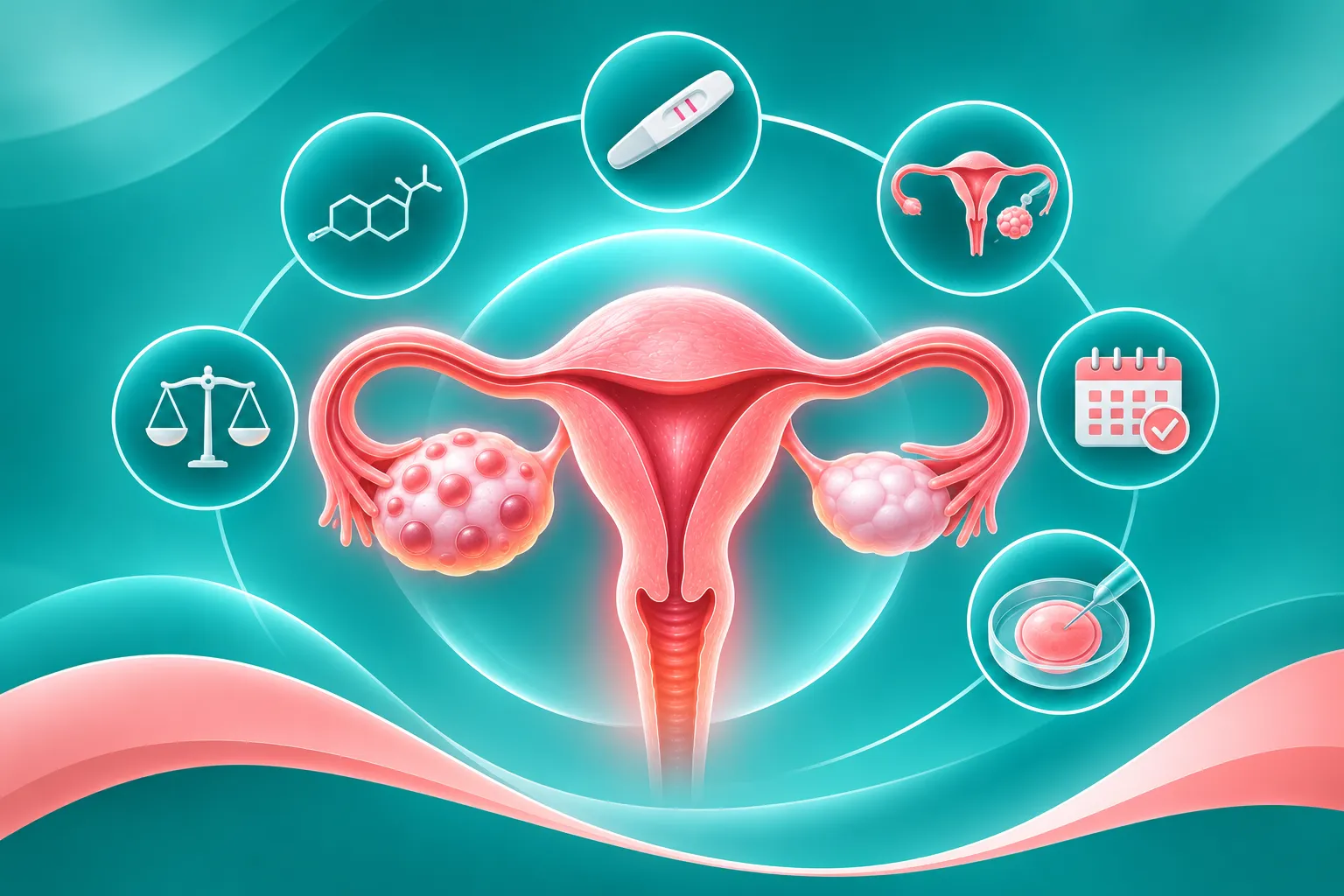
Weight, diet and medicines that help you ovulate regularly, often the first step for PCOS and irregular cycles.



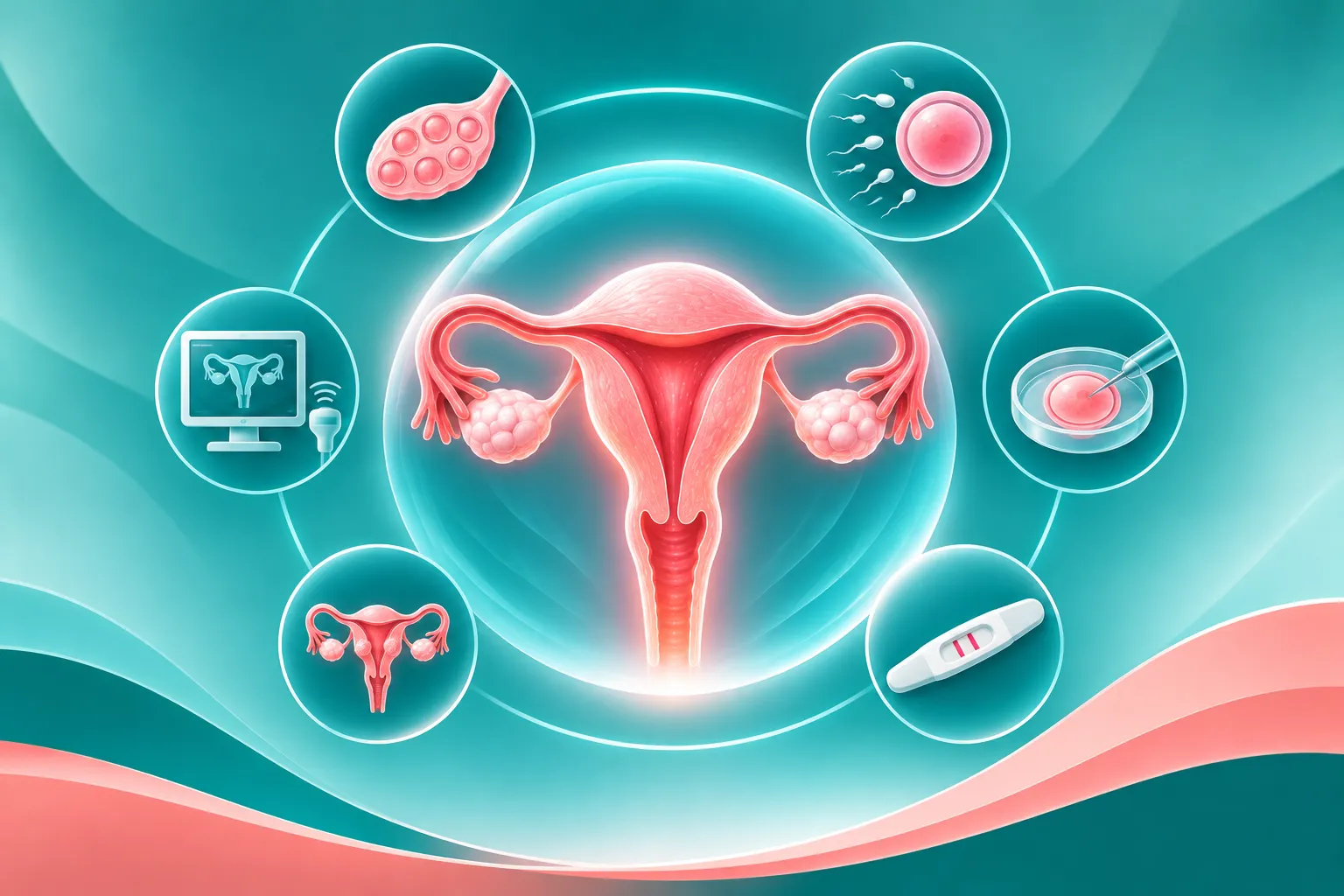
If you have been trying to conceive without success, you are not alone, and help is available. Dr. Manjunath C Swamy offers female infertility treatment in JP Nagar and to couples from across Bangalore, with more than 15 years of experience in finding the cause and planning the right treatment. From your first consultation to your pregnancy test, you meet the same doctor every time.
Many couples face fertility issues in women at some point, and most can be helped once the cause is found. This page explains female infertility in plain language: the symptoms, the causes, the tests and the treatment, so you can take the next step with confidence. It is written for women and couples in JP Nagar and across Bangalore.
| What it is | Difficulty conceiving after 12 months of trying, or 6 months if the woman is 35 or older |
|---|---|
| First step | A full evaluation of both partners to find the cause |
| Common causes | Ovulation problems, blocked tubes, endometriosis, fibroids, PCOS and age |
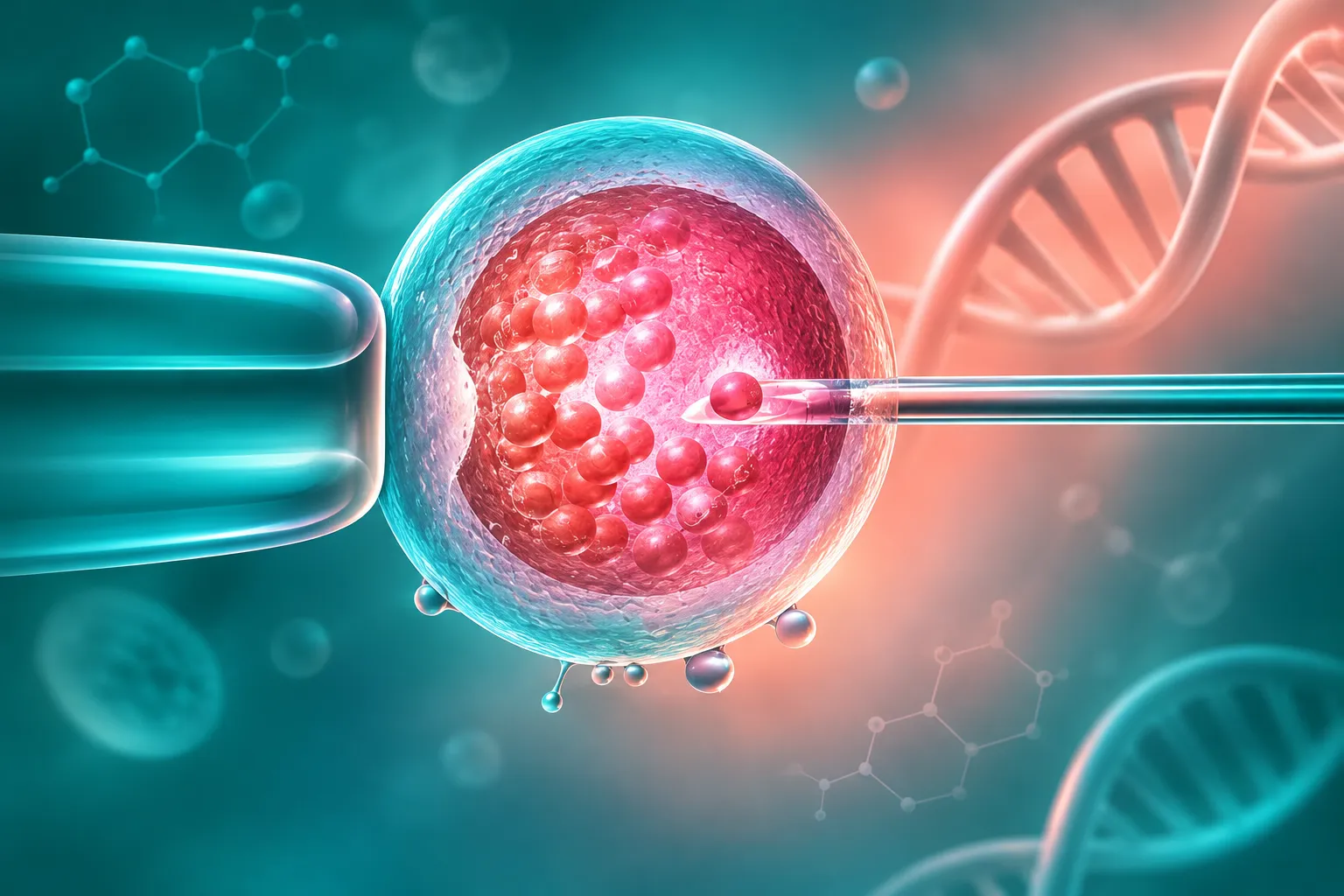
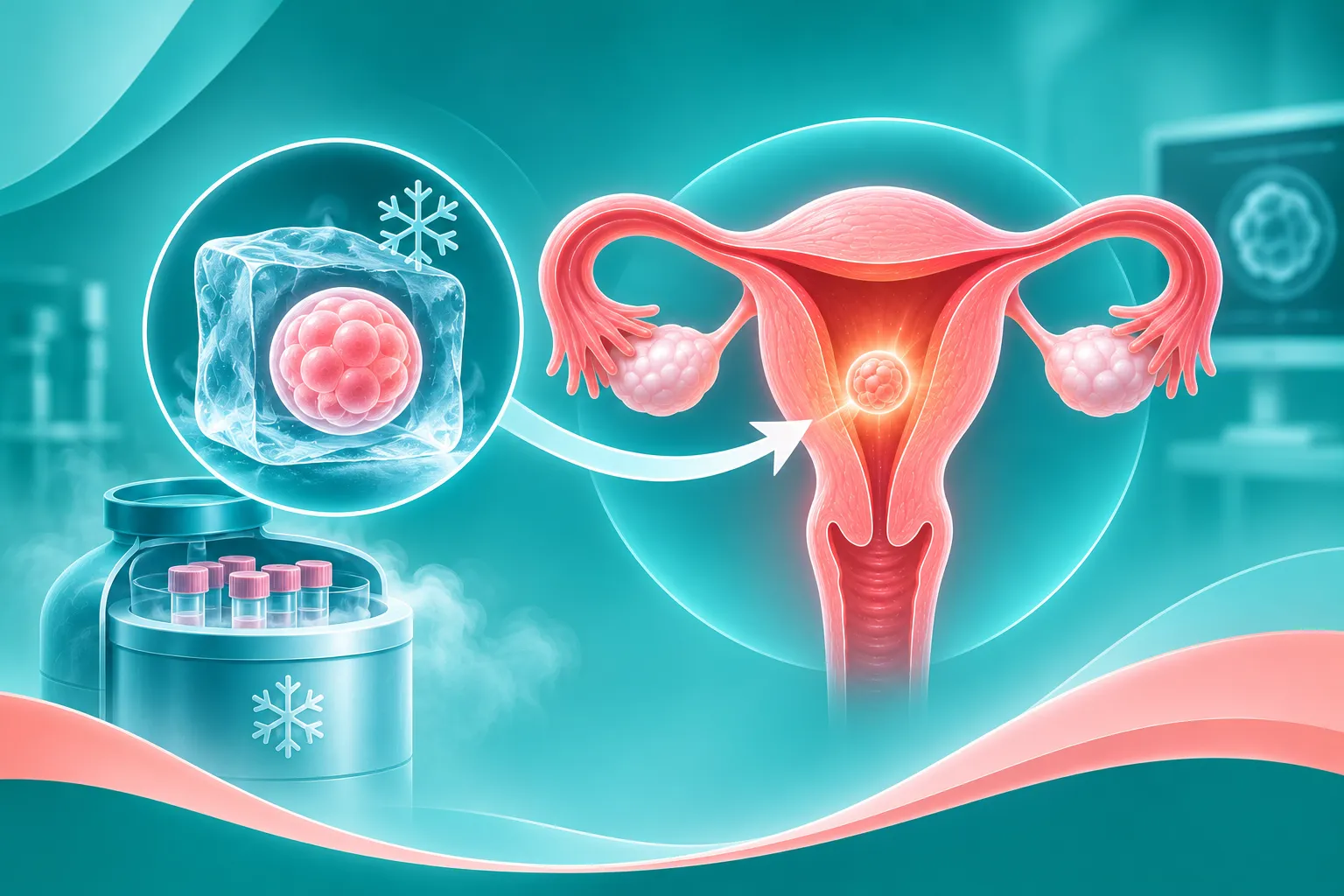
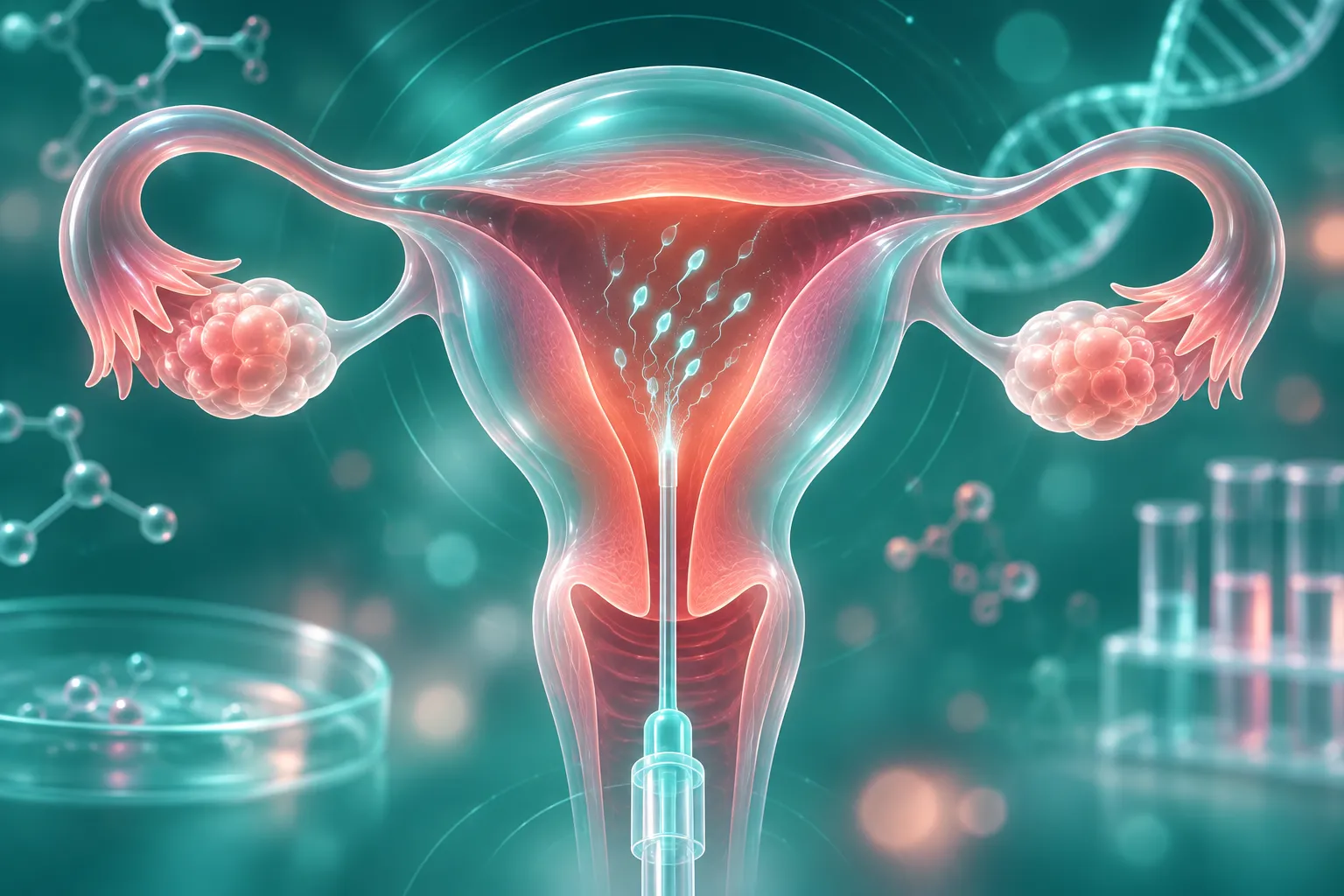
| Treatments | Ovulation induction, IUI, IVF, ICSI and fertility surgery |
| Where | JP Nagar and Koramangala, Bangalore |
| Led by | Dr. Manjunath C Swamy, fertility specialist |
Female infertility means a woman has difficulty becoming pregnant or carrying a pregnancy, even after regular, unprotected intercourse for a reasonable time. Infertility in women is common, and it is a medical condition, not a failing. With the right evaluation, most fertility issues in women can be understood and treated.
Infertility issues in women and infertility problems in females can affect one or both partners, so a good doctor always evaluates both. The good news is that infertility treatment today is effective for many couples, from simple medicines to advanced IVF.
There are two main types of infertility in females. Primary infertility is when a woman has never conceived. Secondary infertility is when a woman has conceived before but is now struggling to conceive again. Both are treatable, and the right plan depends on the cause.
The main sign is difficulty getting pregnant, but there are other clues. These female infertility symptoms are worth checking with a doctor.
Common signs of infertility in women, also called infertility warning signs, include:
Not every woman has symptoms. Some have no symptoms of infertility in women at all, and the only sign is difficulty conceiving, which is why testing matters.
Positive signs of fertility in women include regular monthly periods, signs of ovulation such as a change in cervical mucus mid cycle, and normal hormone levels. Even with these signs, a check is wise if you have been trying for a year, or six months if you are over 35.
What causes female infertility? There is rarely a single answer. Female infertility causes range from ovulation problems to blocked tubes, and the right treatment depends on finding which applies to you. Below are the common causes of infertility in women.
The most common cause of female infertility overall is a problem with ovulation, and ovulation problems are among the most treatable. These reasons for infertility in women are found through a few simple tests, and knowing what causes infertility in women in your case is the key to the right plan.
Some drugs that cause infertility in females, or that temporarily affect fertility, include certain long term steroids, some chemotherapy medicines, and a few others. If you take regular medicines, tell your doctor, as the effect is often temporary or can be planned around.
Finding the cause is the most important step. The diagnosis of infertility in females is based on your history, an examination and a few well chosen tests. Female infertility diagnosis in Bangalore at our clinic is explained clearly, so you know why each test is done.
The usual infertility investigations in female patients include:
| Test | What it checks |
|---|---|
| Blood test for infertility, female hormones | AMH to check egg reserve, and FSH, LH, TSH, prolactin and other hormones |
| Pelvic ultrasound scan | Checks the uterus, ovaries and antral follicle count |
| Ovulation tracking | Confirms whether and when you ovulate |
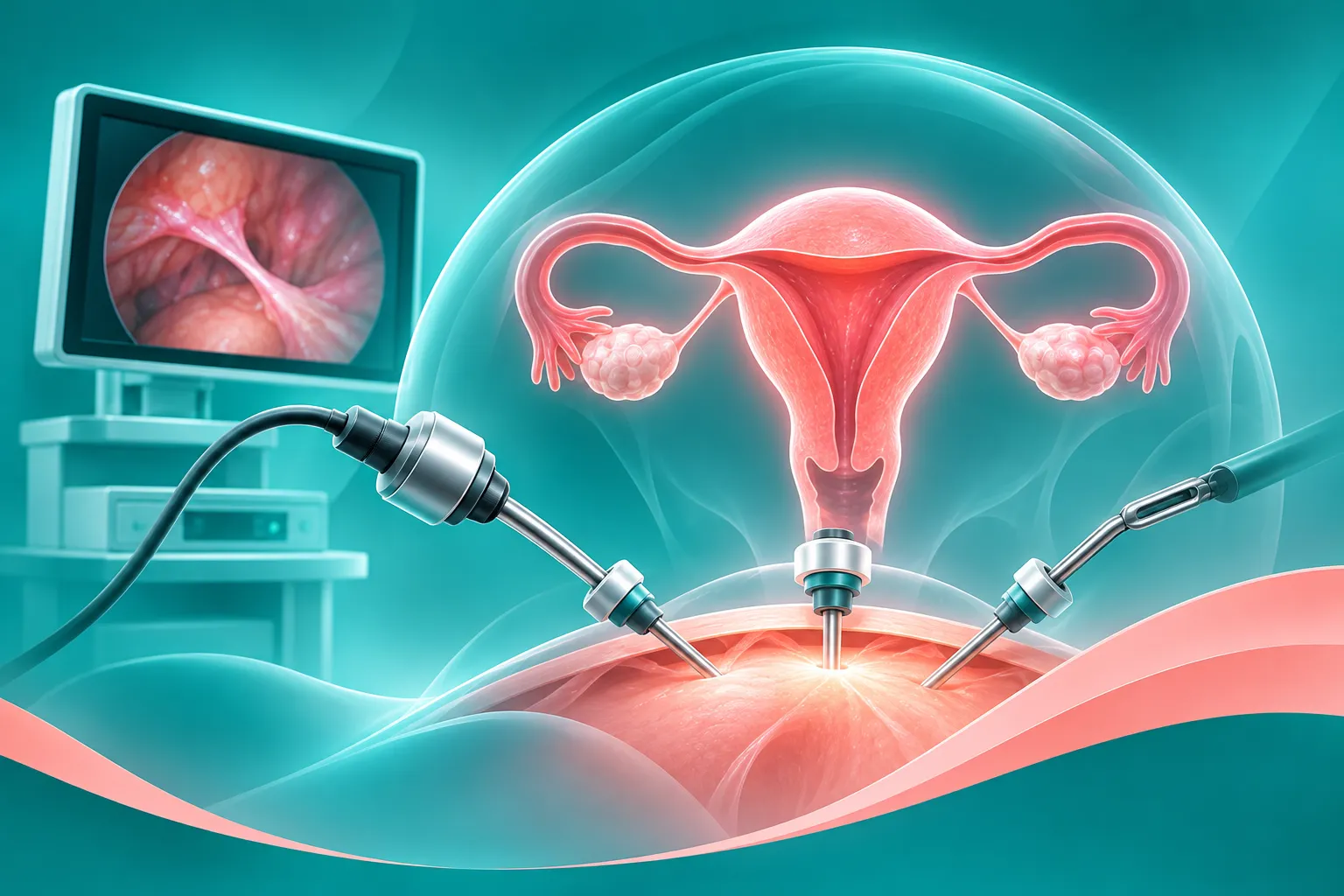
| Tubal test (HSG or laparoscopy) | Checks whether the fallopian tubes are open |
| Semen analysis for the partner | Because male factor is involved in many couples |
A blood test for infertility female hormones, together with a scan, gives a clear picture quickly. The full investigation of infertility in female patients is planned for you, so no unnecessary tests are done.
In a hospital setting, the nursing diagnosis for infertility focuses on emotional support, clear information and coping, alongside the medical diagnosis. Our team cares for how you feel as well as the test results, because fertility treatment can be stressful.
Once the cause is clear, female infertility treatment is planned around it. The management of female infertility ranges from simple medicines to advanced IVF, and Dr. Manjunath always suggests the simplest option that gives you a fair chance.
The management of infertility in female patients is always a plan made for you, not a fixed package.
Here is the infertility treatment process at our clinic, so you know what to expect.
Dr. Manjunath listens to your history and concerns, and examines you.
A few tests for both partners find the cause.
You receive a clear diagnosis, the options, the chances and an itemised cost.
The chosen treatment begins, with monitoring at each step.
After each cycle, the plan is reviewed and the next step is agreed together.
An experienced female infertility specialist, a full evaluation of both partners, and honest advice on the simplest treatment that can work.
Fertility care, IVF and fertility surgery guided by more than a decade and a half of practice.
Consult at JP Nagar or Koramangala, whichever is closer to you.
You see the same specialist from your first evaluation to your pregnancy test.
Search results are full of claims. Whether you are looking for the best female infertility clinic in Bangalore, the best female infertility hospital in Bangalore, a female infertility center in Bangalore or a female infertility specialist in Bangalore, the same checks help you compare fairly. Use them on every clinic, including ours.
If you are searching for female infertility treatment in Bangalore, female infertility diagnosis in Bangalore, the causes of female infertility Bangalore couples ask about, or a female infertility treatment specialist in India you can trust, this checklist will help you choose well.
Ask whether the doctor you consult is the one who plans and leads your treatment.
A good clinic tests both partners before advising treatment.
A good specialist suggests simpler treatment first when it has a fair chance.
Ask about the IVF laboratory and who handles it.
Confirm the centre follows the Assisted Reproductive Technology (Regulation) Act, 2021.
Ask for an itemised estimate for tests and treatment.
Fertility care is stressful, so choose a team that listens.
There is no single best clinic for everyone. The best female infertility treatment for you is the one planned honestly around your own diagnosis.
If treatment has not worked, a fresh look can help. Dr. Manjunath will review your reports, scans and earlier cycles, check whether anything was missed, and tell you honestly what the next step should be. Bring your reports in date order so the review is complete.
Female infertility is difficulty becoming pregnant or carrying a pregnancy after regular, unprotected intercourse for a reasonable time, usually 12 months, or 6 months if the woman is 35 or older. It is a common medical condition, and most causes can be treated.
Female infertility causes include ovulation problems such as PCOS, blocked or damaged tubes, endometriosis, fibroids, low ovarian reserve and age. The most common cause of female infertility overall is a problem with ovulation, which is among the most treatable.
The main sign is difficulty conceiving. Other female infertility symptoms and warning signs include irregular, very heavy or absent periods, painful periods, pelvic pain and known conditions such as PCOS or endometriosis. Some women have no symptoms at all, which is why testing matters.
Diagnosis of infertility in females usually includes a blood test for infertility, female hormones such as AMH, FSH and TSH, a pelvic ultrasound scan, ovulation tracking and a test to check the tubes. A semen analysis for the partner is done too, because male factor is common.
Treatment depends on the cause. The management of female infertility ranges from lifestyle changes and ovulation medicines to IUI, IVF, ICSI and fertility surgery. Dr. Manjunath suggests the simplest treatment that gives you a fair chance.
Many causes can be treated so that pregnancy becomes possible, though no doctor can promise a pregnancy. With the right diagnosis and treatment, a large number of couples go on to conceive.
Some drugs that cause infertility in females, or that affect fertility temporarily, include certain long term steroids and some chemotherapy medicines. Tell your doctor about any regular medicines, as the effect is often temporary or can be planned around.
Dr. Manjunath provides female infertility treatment at the JP Nagar clinic, located at [JP NAGAR SHORT ADDRESS], and also consults at the Koramangala clinic, located at [KORAMANGALA SHORT ADDRESS]. Call 7899089215 / 9148019966 or use the form to book.
.webp)
Your doctor
Fertility Specialist, IVF Specialist and Laparoscopic Fertility Surgeon, JP Nagar and Koramangala, Bangalore
Dr. Manjunath C Swamy evaluates and treats female and male infertility with IVF, IUI, ICSI and fertility surgery. He is known for finding the real cause, explaining it in plain words, and planning treatment around each couple. His approach is doctor led and personal.
Book a consultation
Schedule a consultation with Dr. Manjunath at our JP Nagar clinic for a full evaluation, a clear diagnosis, and an honest plan for your treatment.