Receive a thorough fertility evaluation and an individual treatment
plan from Dr. Manjunath C Swamy, an IVF and laparoscopic fertility specialist with more
than 15 years of experience. Our fertility centre in JP Nagar welcomes couples from
Jayanagar, BTM Layout, Banashankari, Bannerghatta Road and across South Bangalore.
- 15+Years of Experience
- IVF and Fertility Specialist
- Fertility-Preserving Surgery
- Personalised Treatment Plans
Personalised Fertility Care in JP Nagar,
Bangalore
Finding the right fertility clinic is a
big decision. At our fertility centre in JP Nagar, Dr. Manjunath C Swamy evaluates
both partners together, because male and female factors both influence how a couple
conceives. Every treatment plan starts with a careful history, the right tests and a
clear explanation of what your results mean.
Fertility treatment options range from
ovulation induction and IUI to IVF, ICSI and frozen embryo transfer. Because Dr.
Manjunath also performs laparoscopic and hysteroscopic surgery, conditions such as
fibroids, endometriosis, ovarian cysts and uterine adhesions can be assessed and
treated within the same plan of care. You are never pushed toward IVF by default.
You are guided toward the treatment that fits your age, diagnosis and goals, with
emotional support from the first visit to the pregnancy test.
Couple-based fertility evaluation
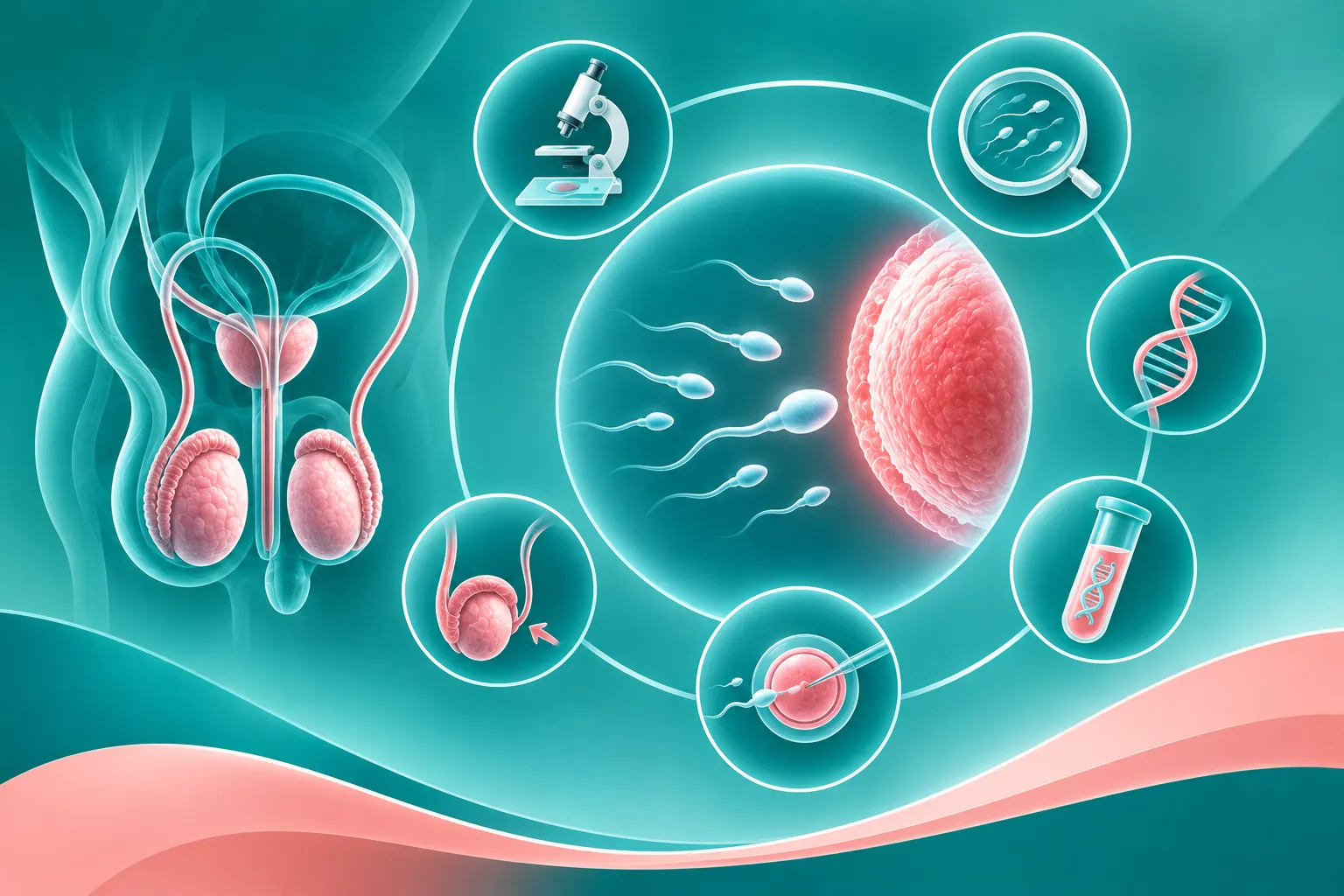
Male and female fertility factors assessed together
Medical and surgical treatment options under one specialist
Clear communication and emotional support at every stage
Fertility Treatment in JP Nagar: Everything You Need to Know
Infertility is usually diagnosed when a couple has not conceived after 12 months of regular, unprotected intercourse, or after six months when the woman is 35 or older. It is more common than most people realise, and it is never one person's fault. In many couples the cause lies with the woman, in others with the man, and often with both. In some couples, tests show no clear cause at all, which is called unexplained infertility.
Fertility treatment is not a single procedure. It is a range of options that begins with an accurate diagnosis. Depending on your results, your plan may include medicines to support ovulation, IUI, IVF, ICSI, frozen embryo transfer, treatment for male infertility, or surgery to correct a problem in the uterus, tubes or ovaries. Choosing the right option early saves time, cost and emotional strain.
If you are looking for fertility treatment in JP Nagar, you will find that care is offered in very different ways. In a large fertility hospital you may meet a different doctor at each visit. At our fertility clinic in JP Nagar, your evaluation, your treatment plan and your follow-up are led by one specialist, Dr. Manjunath C Swamy, so nothing is lost between visits.
When Should You Consult a Fertility Specialist?
Many couples wait longer than they need to. These are the situations in which an early fertility consultation is worth booking.
- Trying to conceive for 12 months without success
- Trying for six months when the woman is over 35
- Irregular or absent menstrual cycles
- Low AMH or poor ovarian reserve
- PCOS or ovulation problems
- Endometriosis
- Blocked fallopian tubes
- Uterine fibroids or ovarian cysts
- Previous miscarriages
- Previous failed IUI or IVF cycles
- Low sperm count or poor sperm motility
- Sexual or ejaculation problems
- The need to preserve fertility before medical treatment or later in life
Understanding the Causes of Infertility in Women and Men
Knowing what may be affecting your fertility is the first step towards the right treatment. These are the most common causes we see.
Common causes in women
- Ovulation problems and PCOS. Irregular or absent ovulation is one of the most common reasons for delayed pregnancy.
- Low ovarian reserve (low AMH). Fewer eggs remain in the ovaries, which becomes more likely with age.
- Endometriosis. Tissue similar to the uterine lining grows outside the uterus and can cause inflammation, adhesions and cysts.
- Fibroids, polyps and adhesions. Growths or scar tissue inside the uterus can interfere with implantation.
- Blocked or damaged fallopian tubes. The egg and sperm may not meet, or the embryo may not travel normally.
- Age. Egg quantity and quality decline gradually, and faster after the mid-thirties.
- Thyroid and hormonal imbalance. Conditions such as thyroid disease or raised prolactin can disturb ovulation.
Common causes in men
- Low sperm count. There are fewer sperm in the semen sample than expected.
- Poor motility or abnormal shape. Sperm may not swim well or may not be normally formed.
- Varicocele. Enlarged veins in the scrotum can affect sperm production.
- Hormonal imbalance. Problems with the hormones that control sperm production.
- Infections, injury or earlier surgery. These can block or damage the passages that carry sperm.
- Sexual or ejaculation problems. Difficulty with erections or ejaculation can make conception hard.
- Lifestyle factors. Smoking, heavy alcohol use, obesity and prolonged heat exposure can lower sperm quality.
Unexplained infertility
Infertility is usually diagnosed when a couple has not conceived after 12 months of regular, unprotected intercourse, or after six months when the woman is 35 or older. It is more common than most people realise, and it is never one person's fault. In many couples the cause lies with the woman, in others with the man, and often with both. In some couples, tests show no clear cause at all, which is called unexplained infertility. When all standard tests are normal and pregnancy still has not happened, the cause may lie at a level that routine tests cannot show. Treatment is still possible. Your doctor may suggest starting with ovulation support or IUI and moving to IVF if needed.
What Does a Fertility Evaluation Include?
A fertility evaluation looks at both partners. Not every patient needs every test, and Dr. Manjunath orders only the investigations that are relevant to your history.
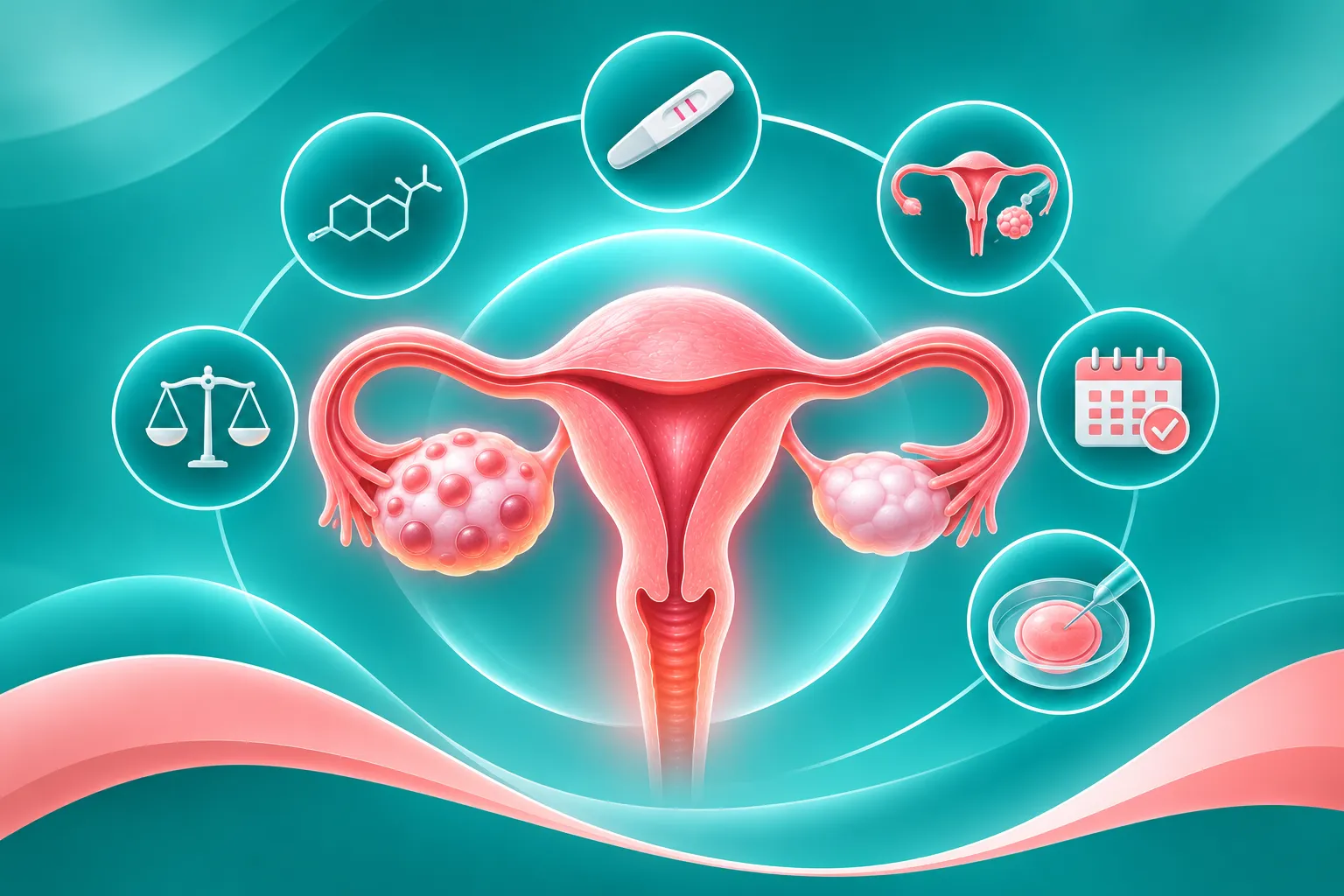
Female Fertility Evaluation
- Menstrual and medical history
- AMH and hormone tests
- Ovarian reserve assessment
- Pelvic ultrasound
- Ovulation assessment
- Uterine evaluation
- Tubal evaluation
- Hysteroscopy or laparoscopy when clinically appropriate
Male Fertility Evaluation
- Medical and reproductive history
- Semen analysis
- Sperm count, motility and morphology
- Hormonal testing when required
- Additional male fertility testing when appropriate
Test results are reviewed together with you so that you understand what they mean before any treatment is suggested.
Fertility-Enhancing Surgery: Hysteroscopy and Laparoscopy
For some women, the main barrier to pregnancy is a structural problem that no medicine can fix. Fibroids, polyps, scar tissue, endometriosis, ovarian cysts and damaged tubes can stop an embryo from implanting or stop the egg and sperm from meeting. Treating these problems first can make natural conception, IUI or IVF more likely to work.
Many fertility clinics refer surgical cases elsewhere. At our JP Nagar clinic, the specialist who plans your fertility treatment is also trained to perform the laparoscopic and hysteroscopic surgery you may need, so your care stays coordinated.
Hysteroscopy: a look inside the uterus
In hysteroscopy, a thin, lighted telescope is passed through the vagina and cervix into the uterus. There are no cuts on the abdomen. The doctor sees the uterine cavity on a screen, finds problems that scans may miss and, in the same sitting, can treat many of them with fine instruments. Depending on whether the procedure is diagnostic or operative, it may be done with light sedation or under anaesthesia, and your doctor will advise you in advance.
Hysteroscopy can diagnose and treat:
- Uterine polyps
- Submucosal fibroids that bulge into the uterine cavity
- Intrauterine adhesions (scar tissue)
- A uterine septum or other shape abnormalities
A healthy, smooth uterine cavity gives an embryo the best chance to implant, which is why hysteroscopy may be advised before IUI or IVF, especially after failed cycles or repeated miscarriage.
Laparoscopy: keyhole surgery for problems outside the uterus
In laparoscopy, a few small cuts are made on the abdomen, usually near the navel. A slim camera shows the uterus, tubes, ovaries and surrounding tissue on a screen, and fine instruments are used to treat what is found. The procedure is performed under general anaesthesia.
Laparoscopy can diagnose and treat:
- Endometriosis, by removing or treating the deposits and releasing adhesions
- Ovarian cysts, including endometriomas, by removing the cyst while protecting healthy ovarian tissue
- Fibroids on or within the uterine wall, through laparoscopic myomectomy
- Blocked or damaged fallopian tubes, including adhesions around the tubes
- Pelvic adhesions that distort the normal anatomy
Because the cuts are small, recovery is usually quicker and more comfortable than with open surgery, and fertility-preserving techniques aim to protect healthy tissue.
How can surgery enhance female fertility?
Surgery does not replace fertility treatment. It removes the obstacles that stand in its way. By correcting the uterine cavity, clearing the tubes, treating endometriosis and removing fibroids or cysts, surgery can improve the chances of natural conception, make IUI and IVF more effective and help the uterus carry a pregnancy. Whether you need surgery at all is decided only after a full evaluation, and many couples never do.
Most keyhole procedures are done as day-care surgery or with a short hospital stay, and many women return to their normal routine within a few days to two weeks, depending on the procedure. Your surgeon will explain preparation, recovery and the best time to start fertility treatment afterwards.
Fertility-preserving procedures available:
- Laparoscopic myomectomy
- Laparoscopic ovarian cystectomy
- Endometriosis surgery
- Diagnostic hysteroscopy
- Operative hysteroscopy
- Tubal evaluation and correction
- Treatment of uterine adhesions, polyps or septum where applicable
How Is the Right Fertility Treatment Selected?
You will not automatically be pushed toward IVF. Treatment is chosen step by step, based on what your evaluation shows.
-
Initial consultation and medical history
We listen to your story, your timeline and your concerns.
-
Evaluation of both partners
Relevant tests are planned for the woman and the man.
-
Review of previous treatment records
Earlier reports, scans and cycle details are studied carefully.
-
Identification of possible fertility factors
Results are interpreted to find what may be affecting conception.
-
Discussion of treatment choices
Options, benefits, risks and expected timelines are explained in plain language.
-
Personalised treatment planning
A plan is made around your age, diagnosis, budget and preferences.
-
Monitoring and follow-up
Scans, hormone checks and review visits keep treatment on track.
-
Pregnancy testing and next-step guidance
We guide you through the result, whatever it is, and plan what comes next.
Ovulation Induction
Medicines help the ovaries release eggs regularly. Your doctor tracks the response with ultrasound scans, and sometimes blood tests, so that the timing is right and the dose is safe.
Best suited for: women with irregular or absent ovulation, including PCOS.
Discuss this option
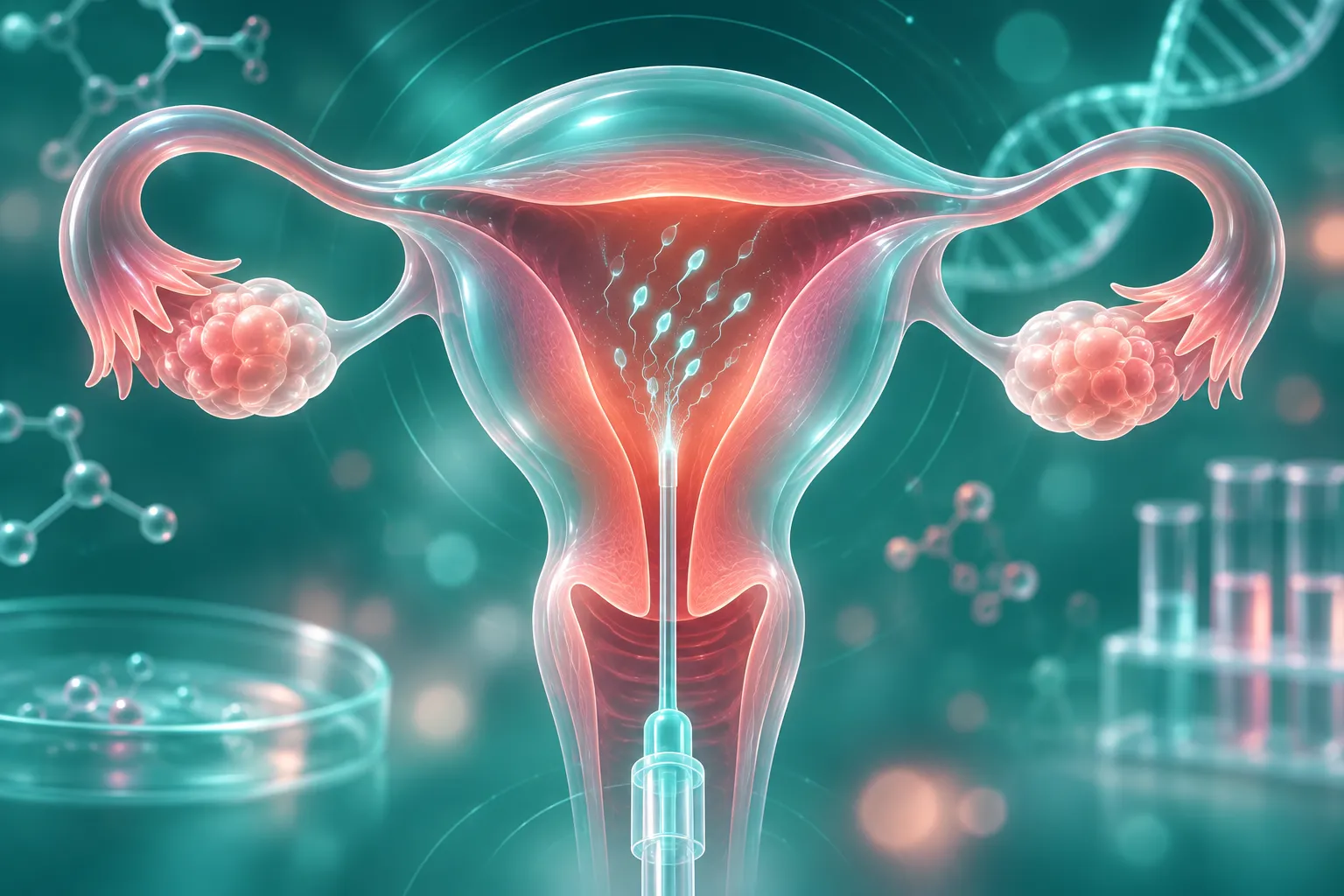
IUI (Intrauterine Insemination)
Sperm is washed and concentrated in the laboratory, then placed inside the uterus close to ovulation using a thin, soft tube. It needs no anaesthesia, and most women feel only mild discomfort.
Best suited for: mild male factor, unexplained infertility, and ovulation problems when the fallopian tubes are open.
Explore IUI
IVF (In Vitro Fertilisation)
Eggs are collected after ovarian stimulation, fertilised with sperm in the laboratory and grown for a few days. The best embryo is then transferred to the uterus.
Best suited for: blocked or damaged tubes, endometriosis, low ovarian reserve, older age, male factor, or unexplained infertility when simpler treatments have not worked.
Explore IVF
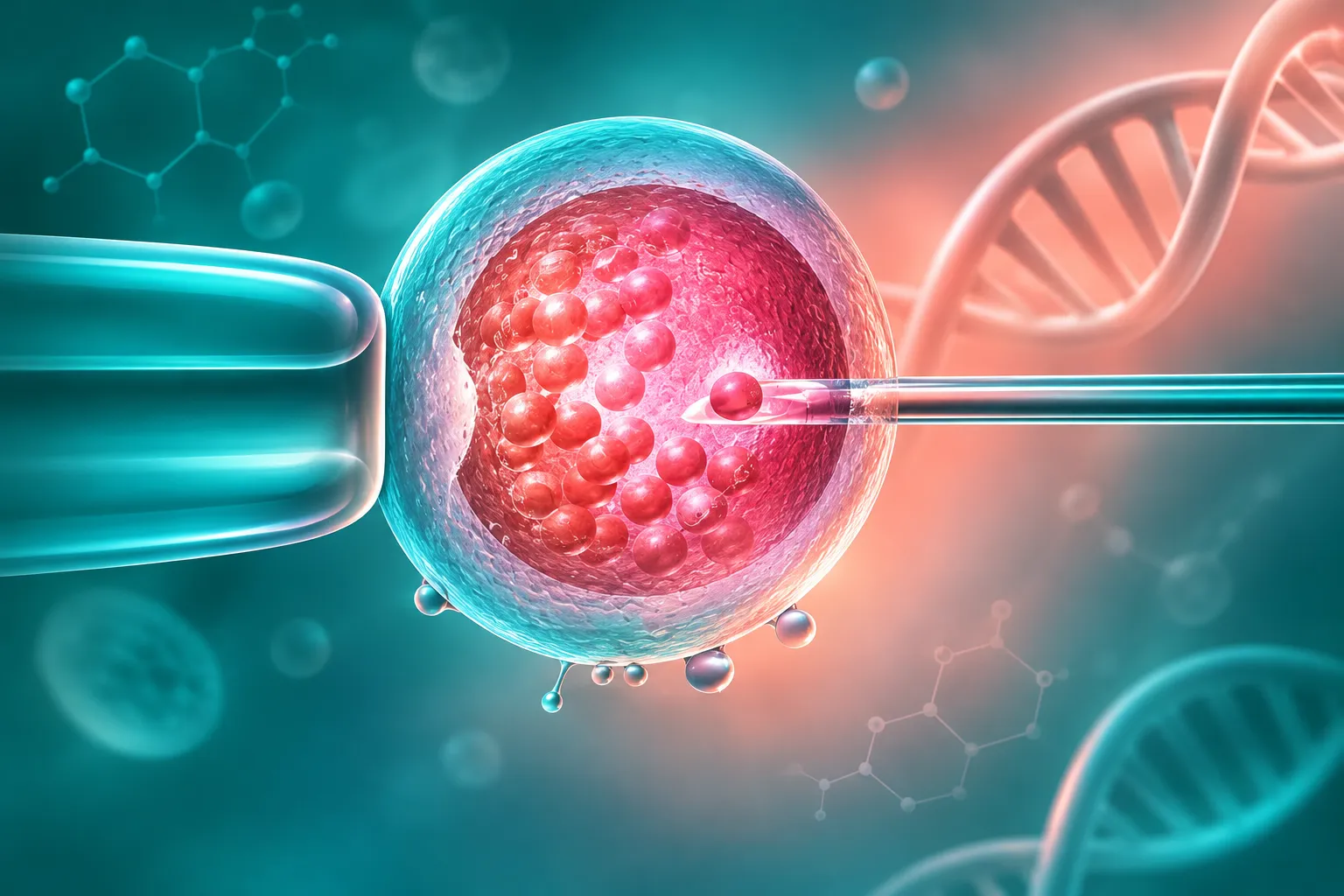
ICSI
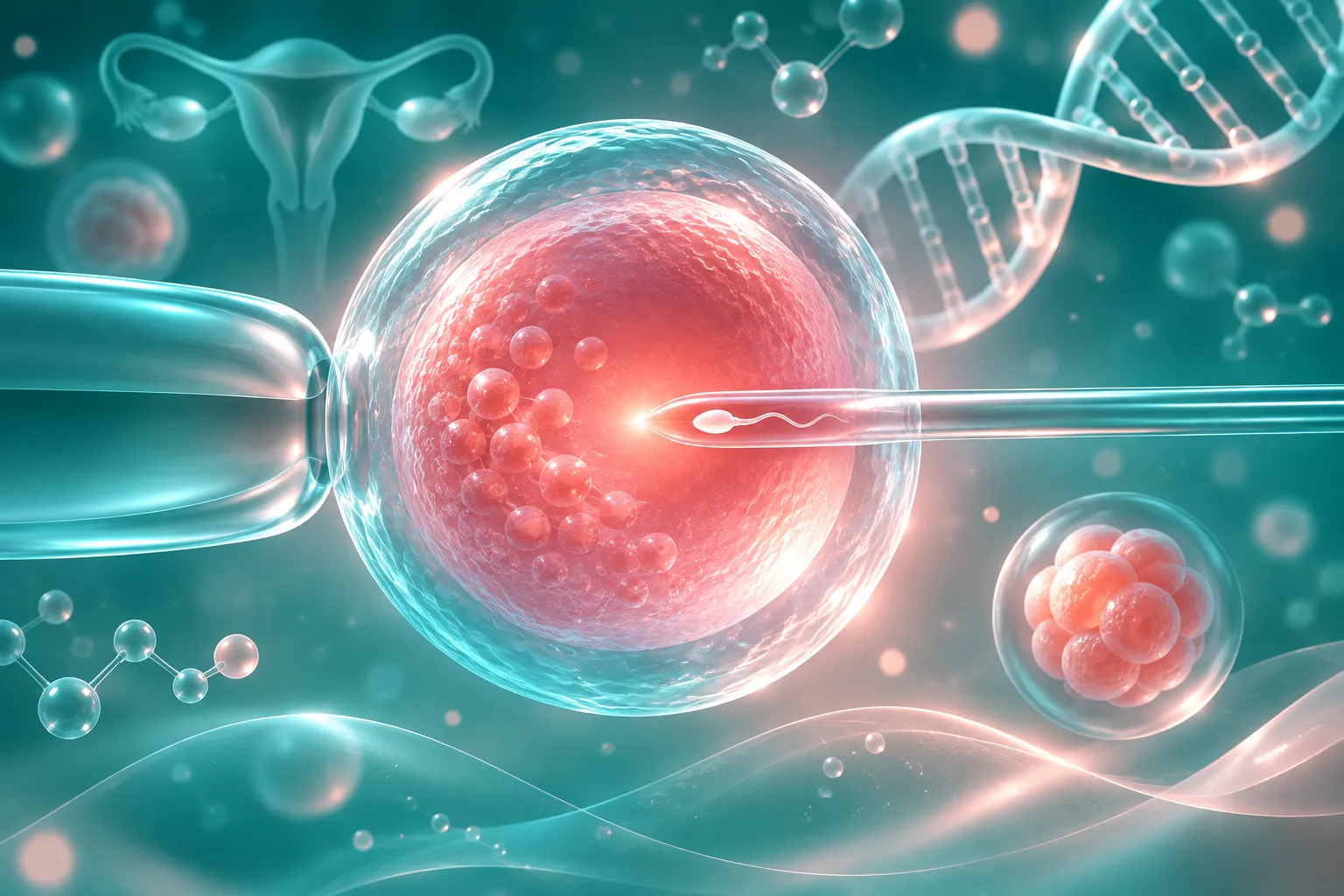
During an IVF cycle, a single selected sperm is injected directly into each mature egg to help fertilisation.
Best suited for: low sperm count, poor motility or shape, previous fertilisation failure, or sperm retrieved surgically.
Discuss this option
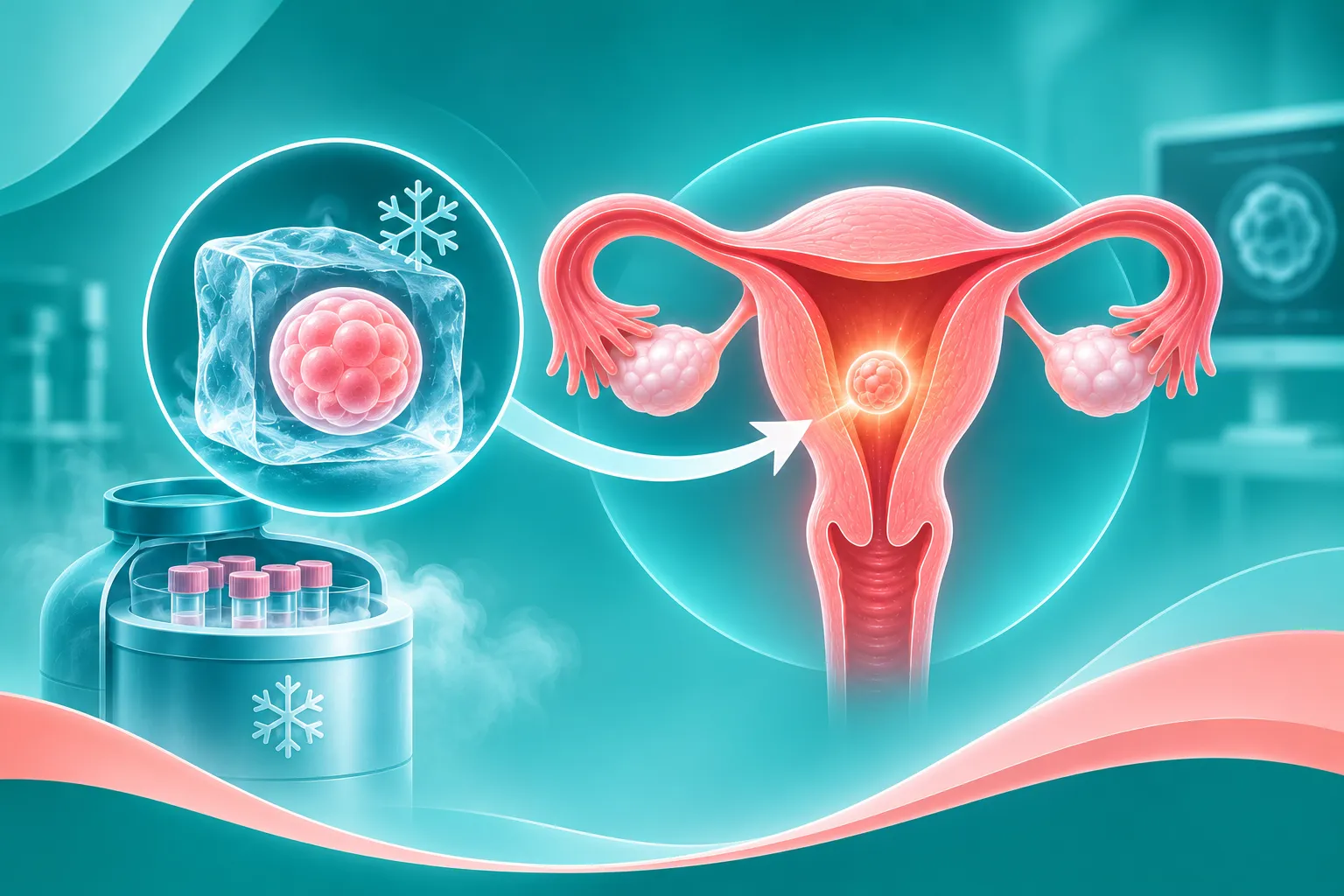
Frozen Embryo Transfer
Embryos frozen from an earlier IVF cycle are thawed and transferred in a cycle in which the uterine lining has been carefully prepared.
Best suited for: patients with frozen embryos, and cycles in which a fresh transfer is not advisable.
Discuss this option
Mild Ovarian Stimulation
A lower-dose approach that aims for fewer eggs of good quality, with less medication and a gentler cycle.
Best suited for: appropriately selected patients, including those who prefer a gentler protocol.
Discuss this option
Donor Programs
When a couple's own eggs or sperm cannot be used, donor eggs or donor sperm may be an option. It is offered only where medically indicated and permitted by Indian law, with counselling and consent at every step.
Best suited for: couples with a medical indication for donor gametes.
Discuss this option
Male Infertility Management
Care begins with a semen analysis and a clinical examination. Treatment may include medicines, treatment of infection or varicocele, lifestyle changes, or sperm retrieval combined with ICSI when needed.
Best suited for: men with low sperm count, poor motility or abnormal sperm shape.
Discuss this option
Compassionate care at every step
IVF is not just a medical procedure — it's a journey filled with
hope, resilience, and emotional strength. For many, it represents a second chance at
building the family they've always dreamed of. With supportive care and advanced
technology, IVF continues to be a beacon of possibility in the field of reproductive
health.
Step 01
Consultation
Your history, previous reports and goals are reviewed.
Step 02
Fertility Tests
Hormone tests, scans and semen analysis confirm the diagnosis.
Step 03
Ovarian Stimulation
Daily medicines help several eggs mature, with scans to monitor your
response.
Step 04
Egg Retrieval
Mature eggs are collected in a short procedure under anaesthesia.
Step 05
Fertilisation or ICSI
Eggs and sperm are combined in the laboratory, or a single sperm is
injected into each egg.
Step 06
Embryo Development.
Embryos are grown and observed for several days.
Step 07
Embryo Transfer
The best embryo is placed in the uterus, and extra embryos may be frozen.
Step 08
Pregnancy Test
A blood test about two weeks after transfer confirms the result.
How to Choose the Best Fertility Centre Near You
Whether you are comparing the top 10 fertility hospitals in Bangalore, searching for the best fertility clinic in Koramangala, the best fertility hospital in Koramangala or the best infertility specialist in JP Nagar, the same checklist applies. Use it to compare any fertility centre, including ours.
-
Doctor qualifications and hands-on experience
Ask who will actually treat you and how many years they have worked in fertility care.
-
Proper registration
Confirm that the centre is registered as required under the Assisted Reproductive Technology (Regulation) Act, 2021.
-
Evaluation of both partners
A good clinic assesses the man and the woman, not only the woman.
-
A plan that is not one-size-fits-all
You should be offered options, not a fixed IVF package by default.
-
Transparent costs
Ask for an itemised estimate that lists what is and is not included.
-
Honest talk about success rates
Success rates should be defined by age group, treatment type and live birth, not given as one big number.
-
Willingness to start simple when appropriate
IUI or ovulation induction may be enough for some couples.
-
Surgical capability for structural problems
Fibroids, endometriosis and adhesions may need treatment before fertility treatment can work.
-
Convenient location and access
Cycle monitoring needs frequent visits, so distance and timings matter.
-
Clear communication and emotional support
Fertility treatment is stressful, and you should feel heard at every visit.
Why Choose Dr. Manjunath for Fertility Treatment in JP Nagar?
A named specialist, a personal plan and a surgical skill set that most fertility clinics do not offer under one roof.
15+
Years of Clinical Experience
Fertility and IVF care guided by more than a decade and a half of hands-on practice.
2
Bangalore Consultation Locations
Consult at JP Nagar or Koramangala, whichever is more convenient for you.
1
Dedicated Specialist Throughout
You see the same doctor from your first consultation to your follow-up, not a rotating team.
- More than 15 years of clinical experience
- Fertility and IVF expertise
- Advanced laparoscopic and hysteroscopic skills
- Personalised protocols instead of a standard approach
- Experience managing complex fertility conditions
- Evaluation of both male and female partners
- Care for recurrent pregnancy loss
- A fertility-preserving surgical approach
- Clear communication and informed decision-making
- Continued monitoring throughout treatment
Had an IVF or IUI Cycle That Did Not Work? Get a Second Opinion
A cycle that has not worked is disappointing, but it is not the end of the road. Many couples benefit from a fresh look at their case. Dr. Manjunath will review your earlier reports, scans, medicine charts and embryo details, and look for factors that may need attention, such as a uterine problem, endometriosis, fluid in the tubes or a protocol that did not suit you. He will then explain, in plain language, whether a change of plan, a surgical correction or a different treatment may help.
What to bring to your second-opinion visit:
Summaries of previous IUI or IVF cycles
Recent scan and hormone reports, including AMH
Semen analysis reports
Medicine charts, and embryo and transfer details
Records of any earlier surgery
Frequently asked questions
If the woman is under 35, see a fertility specialist after 12 months of trying to conceive without success. If she is 35 or older, do not wait more than six months, and women over 40 are usually advised to seek evaluation sooner. You should also consult earlier if you have irregular periods, PCOS, endometriosis, blocked tubes, a known sperm problem or repeated miscarriages.
Dr. Manjunath takes a detailed history from both partners, reviews any previous reports, and may suggest an examination and a pelvic ultrasound. He then explains which tests are needed, what they will tell us and what the likely next steps are. You leave with a clear plan, not a pressure to start treatment.
Yes, it is best if both partners attend. Fertility depends on both the woman and the man, and a simple semen analysis can answer important questions early. Attending together also helps you both understand the plan.
Tests for women may include AMH and other hormone tests, a pelvic ultrasound, an ovulation assessment and a tubal or uterine evaluation, sometimes with hysteroscopy or laparoscopy. Men usually start with a semen analysis, with further testing only if needed. Not every couple needs every test.
No. Many couples begin with ovulation induction or IUI, depending on age, diagnosis and how long they have been trying. IVF or ICSI may be recommended earlier when the tubes are blocked, sperm quality is severely reduced, ovarian reserve is low or the woman is older.
In IUI, prepared sperm is placed inside the uterus around the time of ovulation, and fertilisation happens inside the body. In IVF, eggs are collected and fertilised with sperm in a laboratory, and the resulting embryo is transferred to the uterus. In ICSI, a single selected sperm is injected directly into an egg as part of an IVF cycle.
The evaluation usually takes one or two menstrual cycles. A typical fresh IVF cycle takes around two to three weeks from the start of stimulation to embryo transfer, and the pregnancy blood test follows about two weeks after transfer. Frozen embryo transfers, surgery or additional steps can add to the timeline.
Most steps are well tolerated. Blood tests, scans and daily injections cause brief, mild discomfort. IUI usually feels like a routine pelvic examination with mild cramping. Egg collection in IVF is done under anaesthesia or sedation, so you do not feel the procedure, and cramping or bloating for a day or two afterwards is common. Embryo transfer is usually quick and comfortable. Your doctor will explain what to expect at each stage.
Yes, most women continue their usual work. Monitoring scans and injections follow a planned schedule, and you will usually need a day or two of rest around egg collection and embryo transfer. Your doctor will give you the schedule in advance so that you can plan any leave.
The cost depends on the tests you need, the treatment recommended, medications, laboratory procedures and any surgery. Because every plan is different, we give a personalised estimate after your evaluation, with a clear list of what is and is not included.
It depends on your insurer and policy. Many standard health policies exclude or limit fertility treatment, while some employer plans offer limited cover. Check your policy wording, waiting periods and exclusions with your insurer, and ask us for an itemised estimate you can submit if your plan allows.
AMH reflects how many eggs remain, not how good they are, and it cannot be reliably raised with treatment. Low AMH does not mean pregnancy is impossible. It means timing matters, and the treatment plan, stimulation protocol and choice between IUI and IVF may need to be adjusted. Early consultation helps.
Many causes of male infertility can be treated, including infections, hormonal imbalances, varicocele and lifestyle factors. When sperm count or motility remains low, ICSI can help achieve fertilisation. A semen analysis is the first step.
Surgery may be advised when a structural problem is likely to affect conception or treatment, such as fibroids that distort the uterine cavity, polyps, a uterine septum, adhesions, endometriomas or damaged tubes. Many couples do not need surgery. The decision is made case by case.
It can. Endometriosis may cause inflammation, adhesions, tubal damage and cysts on the ovaries, and it can reduce ovarian reserve in some women. Depending on severity, options include medication, laparoscopic surgery, IUI or IVF.
Dr. Manjunath consults in JP Nagar and Koramangala, Bangalore. Please confirm the clinic address and consultation timings for your preferred location on our contact page before visiting.
Look for a doctor with proven experience in fertility care, a registered and compliant centre, evaluation of both partners, an individual treatment plan and open communication about costs and success rates. Ask who will personally treat you and whether surgery is available if you need it.
Start by shortlisting centres within easy reach, since treatment involves frequent monitoring visits. Then compare doctors, registration, transparency on costs and the way they explain your options. If you live in Jayanagar, BTM Layout, Banashankari or along Bannerghatta Road, our JP Nagar clinic is convenient to reach.


 JP Nagar, Bangalore






.webp)