
 JP Nagar,
Bangalore

Functional or simple cysts
These develop as part of the menstrual cycle and often resolve naturally. Observation and repeat ultrasound may be more appropriate than immediate surgery when the scan is reassuring and symptoms are mild.


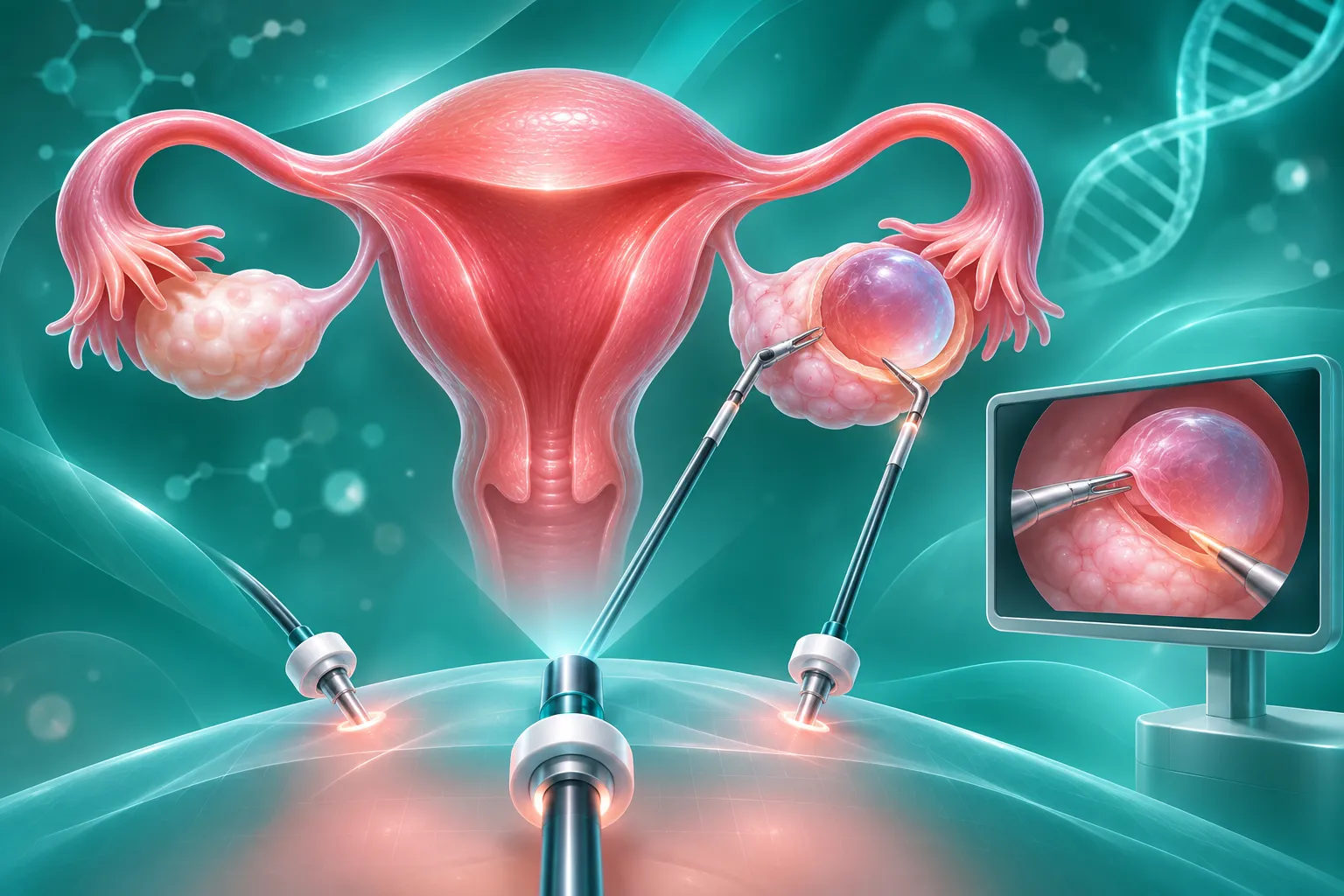
Many ovarian cysts disappear without treatment, but a cyst that persists, grows, causes pain or has concerning features may need surgery. Dr. Manjunath C Swamy provides laparoscopic ovarian cystectomy in Bangalore for appropriately selected patients, using a keyhole approach to remove the cyst while aiming to preserve healthy ovarian tissue. Every recommendation begins with a careful review of your symptoms, ultrasound findings, age and future fertility plans.
An ovarian cystectomy removes a cyst while leaving as much of the ovary as safely possible. When performed through a few small abdominal cuts using a camera and fine instruments, it is called laparoscopic ovarian cystectomy or keyhole ovarian cyst surgery.
Not every ovarian cyst needs an operation. Many simple or functional cysts resolve naturally and can be monitored. Surgery may be considered when a cyst is persistent, large, painful, complex, associated with complications, or cannot be confidently considered benign after evaluation. This page explains the assessment, operation, recovery, fertility considerations and cost for patients across Bangalore.
| What it is | Keyhole surgery to remove an ovarian cyst while aiming to preserve healthy ovarian tissue |
|---|---|
| Also called | Laparoscopic cystectomy, ovarian cyst removal surgery, keyhole ovarian cyst surgery or ovarian cyst laparoscopy |
| Anaesthesia | General anaesthesia |
| Hospital stay | Often day care or a short stay, depending on the cyst, procedure and recovery |
| Where | Bangalore |
| Led by | Dr. Manjunath C Swamy, laparoscopic fertility surgeon |
An ovarian cyst is a fluid-filled or partly solid sac that develops in or on an ovary. Most cysts before menopause are benign, and many functional cysts go away on their own. A cystectomy is surgery to separate and remove the cyst from the ovary. The goal is to keep the ovary and preserve as much healthy tissue as safely possible.
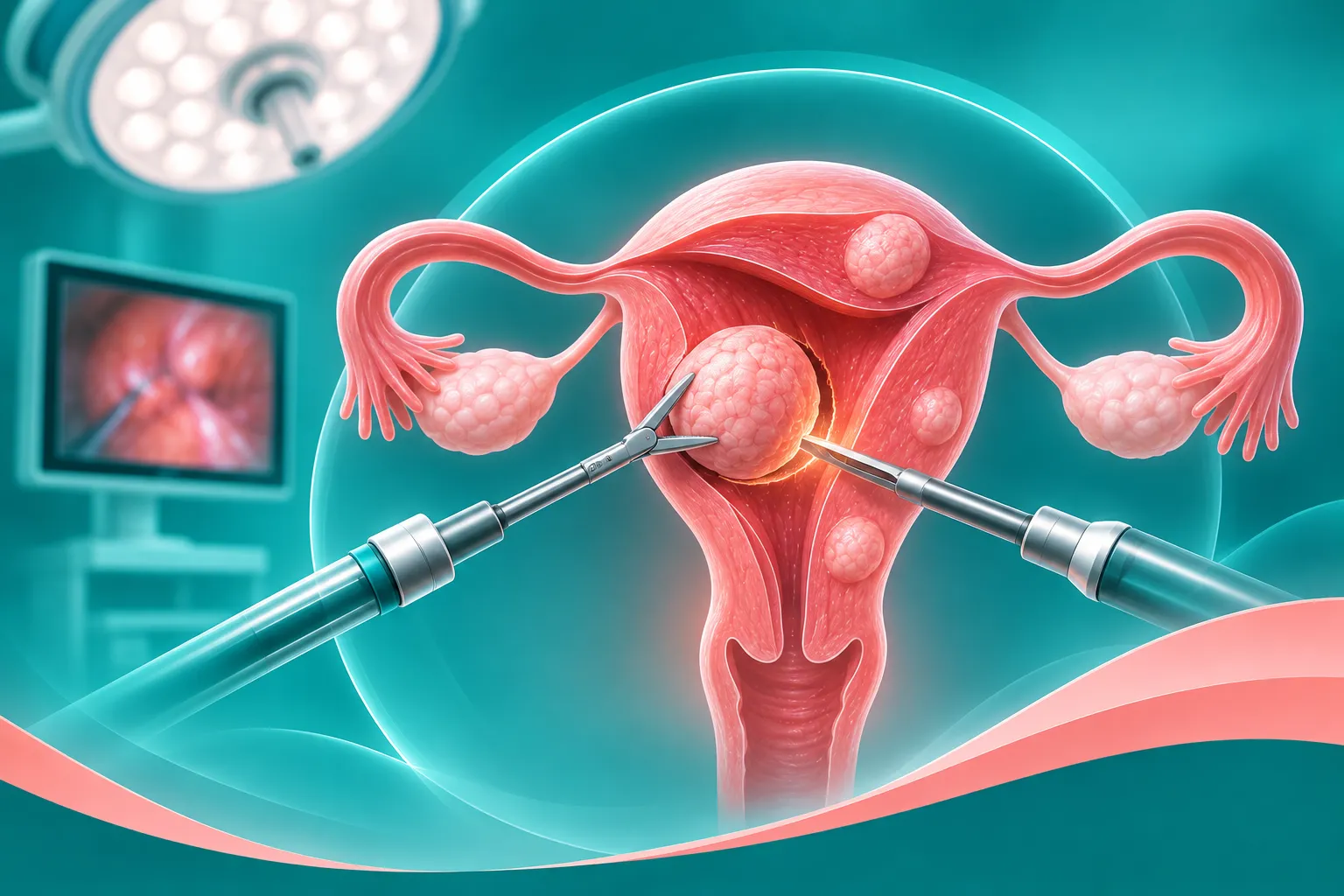
During a laparoscopic ovarian cystectomy, the surgeon uses a thin camera and fine instruments through small cuts in the abdomen. The cyst is carefully separated from the surrounding ovarian tissue, bleeding is controlled, and the specimen is removed for laboratory examination. When appropriate, the ovary is reconstructed after the cyst is removed.
A cystectomy removes the cyst and preserves the ovary. An oophorectomy removes the ovary. Cystectomy is often preferred when the cyst appears benign and ovarian preservation is important. In some situations—such as severe damage, uncontrolled bleeding, a very large mass or concern about cancer—removal of the ovary may be safer. This possibility should be discussed before surgery.
The right plan depends on the appearance of the cyst, symptoms, age, blood-test findings where relevant and fertility plans. A diagnosis should be based on clinical evaluation and imaging rather than the word “cyst” alone.
These develop as part of the menstrual cycle and often resolve naturally. Observation and repeat ultrasound may be more appropriate than immediate surgery when the scan is reassuring and symptoms are mild.

An endometrioma is an ovarian cyst associated with endometriosis. Surgery may be considered for pain, concerning features, size, access to follicles during fertility treatment or other individual reasons. Because surgery can affect ovarian reserve, the benefits and risks should be discussed carefully.

A dermoid, also called a mature cystic teratoma, is usually benign but may persist, enlarge or twist. Surgery may be recommended based on size, symptoms and scan appearance.

A cystadenoma develops from cells on the ovary’s surface. Many are benign, but persistent or large cysts may require removal and laboratory examination.

A complex cyst contains solid areas, internal divisions or other features that require closer assessment. Additional imaging, blood tests or referral may be needed before deciding on surgery.

If the clinical assessment suggests a possibility of ovarian cancer, treatment planning should involve an appropriately qualified gynaecological oncology team. A routine fertility cystectomy pathway is not appropriate in this situation.
Dr. Manjunath will explain whether monitoring, cystectomy, another operation or specialist referral is the safest option after reviewing the full assessment.
Discuss Your ScanNot every cyst needs surgery. Observation may be safer for a small, simple cyst that is not causing symptoms. Laparoscopic ovarian cyst removal may be considered when one or more of the following apply:
Sudden severe pelvic pain, pain with vomiting, fainting, fever or signs of internal bleeding can indicate torsion, rupture or another emergency. Do not wait for a routine website appointment in this situation; seek urgent medical assessment.
The exact procedure depends on the cyst type, size, location, previous surgery, adhesions and whether endometriosis is present.
Your symptoms, examination and ultrasound are reviewed. Additional imaging, pregnancy testing, blood tests or tumour-marker tests may be recommended depending on age and scan findings. The surgeon explains whether cystectomy is appropriate, the possibility of open surgery or ovary removal, and how the specimen will be examined.
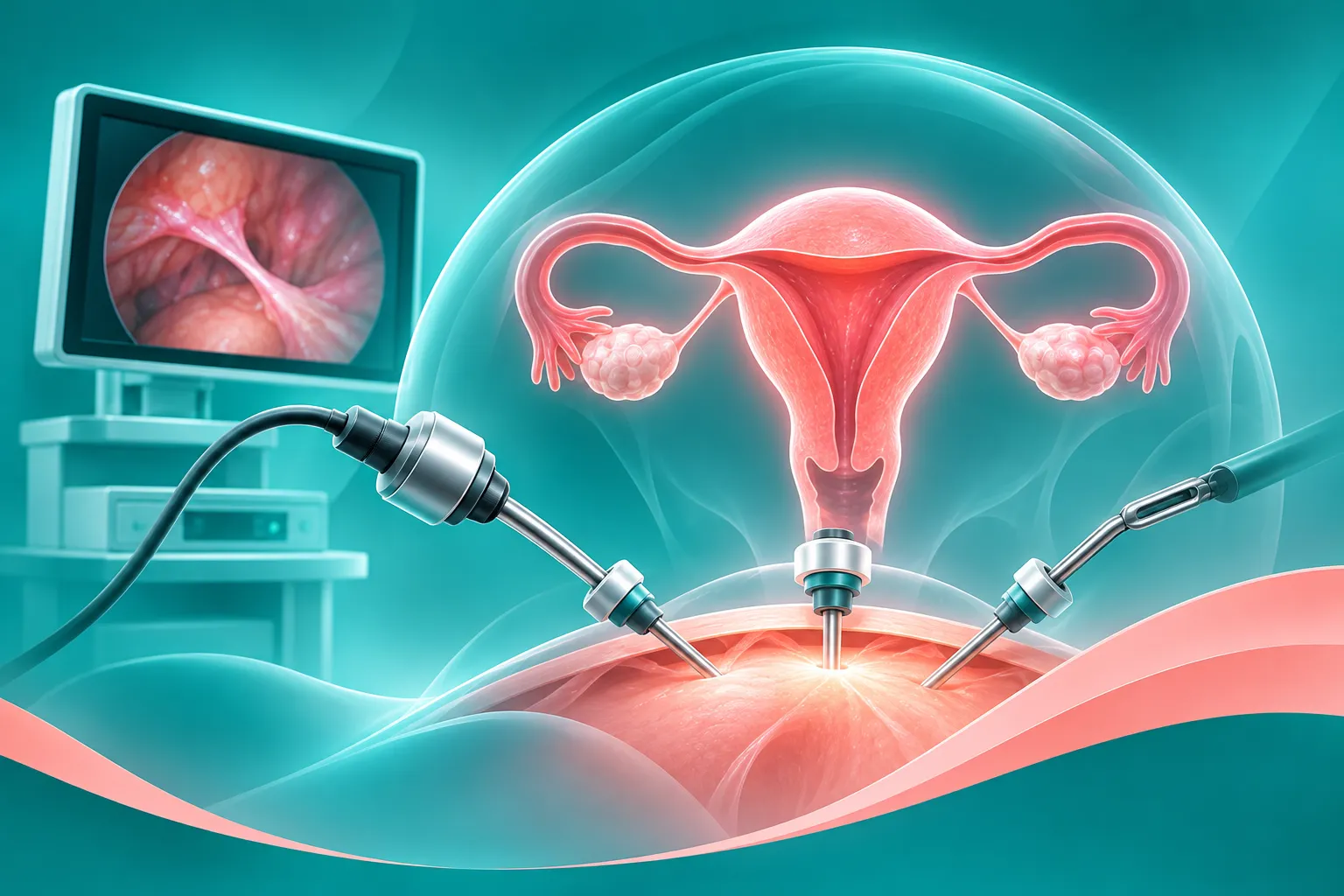
After general anaesthesia, a laparoscope is inserted through a small abdominal cut. Additional fine instruments are introduced through a few small ports. The ovary and surrounding structures are inspected, the cyst is carefully separated from healthy ovarian tissue, bleeding is controlled and the ovary is reconstructed where appropriate. The cyst is usually placed in a specimen bag for removal, especially when spillage should be minimised.
The removed tissue is sent for histopathology. This confirms the cyst type and checks for unexpected abnormal cells. The final report is discussed at follow-up.
Many laparoscopic ovarian cystectomy procedures take approximately one to two hours, but a large cyst, severe endometriosis, adhesions, bilateral cysts or unexpected findings can make the operation longer. The surgeon will provide a case-specific estimate after reviewing your scans.
Laparoscopic ovarian cystectomy usually leaves a few small abdominal scars. Their position and size depend on the instruments and procedure. Scars generally fade with time, but healing varies from person to person.
Recovery is usually quicker after laparoscopy than after open abdominal surgery, but the timeline varies with the cyst and complexity of the procedure.
Contact the clinical team urgently for worsening pain, heavy bleeding, fever, persistent vomiting, breathlessness, wound redness or swelling, difficulty passing urine, or any symptom the discharge instructions identify as concerning.
Dr. Manjunath will provide written aftercare instructions tailored to the procedure performed.
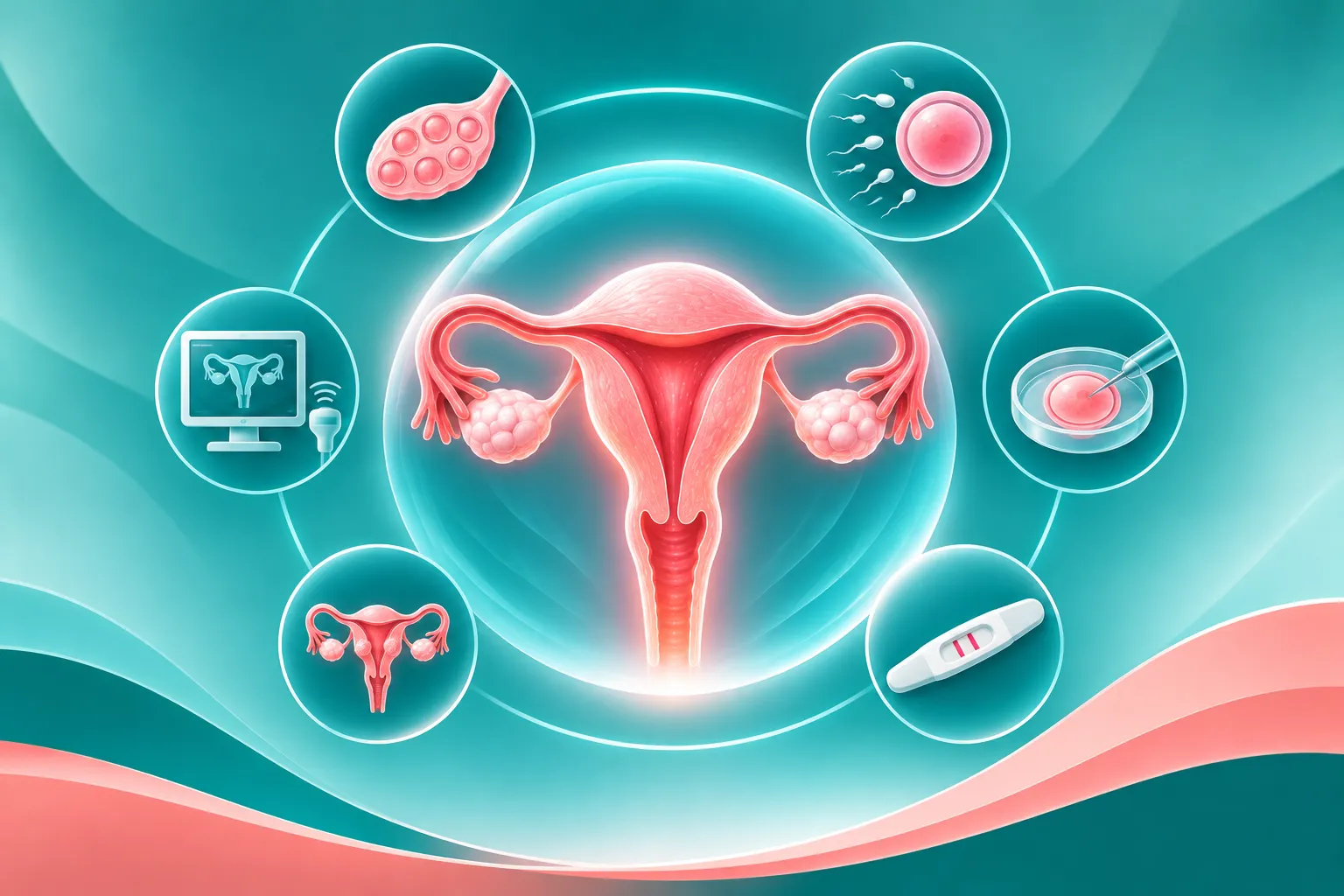
The ovaries contain eggs within healthy ovarian tissue. A fertility-conscious cystectomy aims to remove the cyst while protecting that tissue and preserving blood supply. However, every ovarian operation carries a possibility of reducing ovarian reserve, particularly with ovarian endometriomas, large cysts, bilateral cysts or repeat surgery.
Before surgery, fertility planning may include age, AMH, antral follicle count, whether one or both ovaries are affected, previous ovarian surgery and plans for pregnancy. In selected cases—especially extensive bilateral endometriosis—the advantages and limitations of fertility preservation may be discussed before surgery.
Surgery for an endometrioma should not automatically be performed only to improve IVF results. Pain, scan features, ovarian reserve, previous surgery, access to follicles and the complete fertility plan all matter. Dr. Manjunath will explain whether surgery, monitoring or fertility treatment first is more appropriate for your situation.
The personal benefits and risks depend on your cyst, age, symptoms and fertility priorities. These are discussed before consent.
The cost of laparoscopic ovarian cystectomy in Bangalore varies according to the cyst type and size, whether one or both ovaries are involved, the complexity of surgery, hospital, anaesthesia, investigations and length of stay. An itemised estimate is provided after clinical and scan review.
Insurance coverage depends on the medical indication, policy terms, exclusions, hospital network and authorisation. Ask the clinic for documents required by your insurer, but confirm coverage directly with the insurance provider.
Fertility-conscious cyst removal, clear advice on whether surgery is necessary, and a treatment plan that considers future pregnancy.
Laparoscopic and fertility care guided by more than a decade and a half of practice.
The specialist reviewing your scan plans the operation and follow-up.
Every recommendation is based on the cyst, symptoms, scans, age and fertility plans—not a fixed package.
Search results may use phrases such as “best ovarian cyst surgeon in Bangalore” or “best hospital for ovarian cyst surgery.” No promotional list can decide which surgeon is right for an individual cyst. Compare every surgeon and hospital—including ours—using practical questions.
Ask whether observation and repeat ultrasound are reasonable first.
The surgeon should explain whether the cyst appears simple, endometriotic, dermoid, complex or concerning.
Ask about the plan for protecting healthy tissue and what circumstances might require ovary removal.
For endometrioma, bilateral cysts or repeat surgery, discuss ovarian reserve and fertility planning.
Confirm whether the consulting surgeon performs or directly leads the operation.
Ask about the hospital, anaesthesia, emergency support and pathology services.
Ask about use of a specimen bag and how spillage is minimised when appropriate.
Confirm whether referral to a gynaecological oncologist will be arranged.
Request an itemised estimate covering surgery, anaesthesia, hospital stay and pathology.
Ask about recovery, pathology review, recurrence and future fertility planning.
The right surgeon is one who explains when surgery helps, when it does not, and how the ovary and your wider health will be protected.
A second opinion can help if you have been advised surgery, ovary removal or urgent fertility treatment. Dr. Manjunath will review your ultrasound, blood tests, symptoms, previous surgery and fertility plans, then explain whether monitoring, laparoscopic cystectomy, another operation or specialist referral should be considered.
Bring all scan images and reports, not only the written summary. If you have previous operative notes, pathology reports, AMH results or fertility records, bring them in date order.
Clear answers to common questions before ovarian cyst surgery.
It is keyhole surgery to remove an ovarian cyst while aiming to keep the ovary and as much healthy ovarian tissue as safely possible. The cyst is removed through small abdominal cuts and sent for laboratory examination.
No. Many simple or functional cysts resolve naturally and can be monitored. Surgery may be considered when a cyst persists, grows, causes symptoms, has complex or concerning features, or creates a risk of complications. The decision depends on the complete evaluation.
The aim of a cystectomy is to remove the cyst and preserve the ovary. However, ovary removal may become necessary if the ovary is severely damaged, bleeding cannot be safely controlled, the mass is very large or there is concern about cancer. This possibility should be discussed before consent.
Many procedures take around one to two hours, but the time varies with cyst size and type, adhesions, endometriosis, whether both ovaries are involved and unexpected findings. The surgeon will give you a more individual estimate after reviewing your scan.
Many patients go home the same day or after a short stay and return to light activity gradually. Some return to desk work within one to two weeks, while complex surgery may require longer. Follow the surgeon’s individual advice for exercise, driving, lifting and sexual activity.
The operation aims to preserve healthy ovarian tissue, but any ovarian surgery can reduce ovarian reserve. The risk can be more important with endometriomas, cysts on both ovaries or repeat surgery. Age, AMH, antral follicle count and future pregnancy plans should be considered before surgery.
Not routinely for every ovarian cyst or endometrioma. Surgery may be considered for pain, concerning scan features, size, complications or difficulty accessing follicles, but it can also affect ovarian reserve. The decision should be made as part of the complete fertility plan.
Yes. Recurrence depends on the cyst type and underlying condition. Endometriomas and some other cysts can recur, so follow-up and a plan for symptom or fertility management may be needed.
Cost depends on cyst type and size, whether one or both ovaries are involved, operation complexity, hospital, anaesthesia, pathology and length of stay. An itemised estimate is provided after the scan and clinical evaluation are reviewed.
If assessment suggests a possibility of ovarian cancer, planning should involve a gynaecological oncology specialist. The priority is safe removal, accurate staging and appropriate cancer care rather than a routine benign-cyst pathway.
Dr. Manjunath provides ovarian cyst evaluation and laparoscopic fertility-surgery consultations in Bangalore. Call 7899089215 / 9148019966 or submit the appointment form.
.webp)
Your doctor
Laparoscopic Fertility Surgeon and IVF Specialist, JP Nagar and Koramangala, Bangalore
Dr. Manjunath C Swamy is a laparoscopic surgery doctor who performs laparoscopic and hysteroscopic fertility surgery for fibroids, endometriosis, cysts, polyps, adhesions and tubal problems. He is also an IVF and IUI specialist, so he can plan both surgery and treatment in one place. His approach is doctor led and personal, with every patient planned for individually.
Book a consultation
Every recommendation begins with a careful review of your symptoms, ultrasound findings, age and future fertility plans.


.webp)